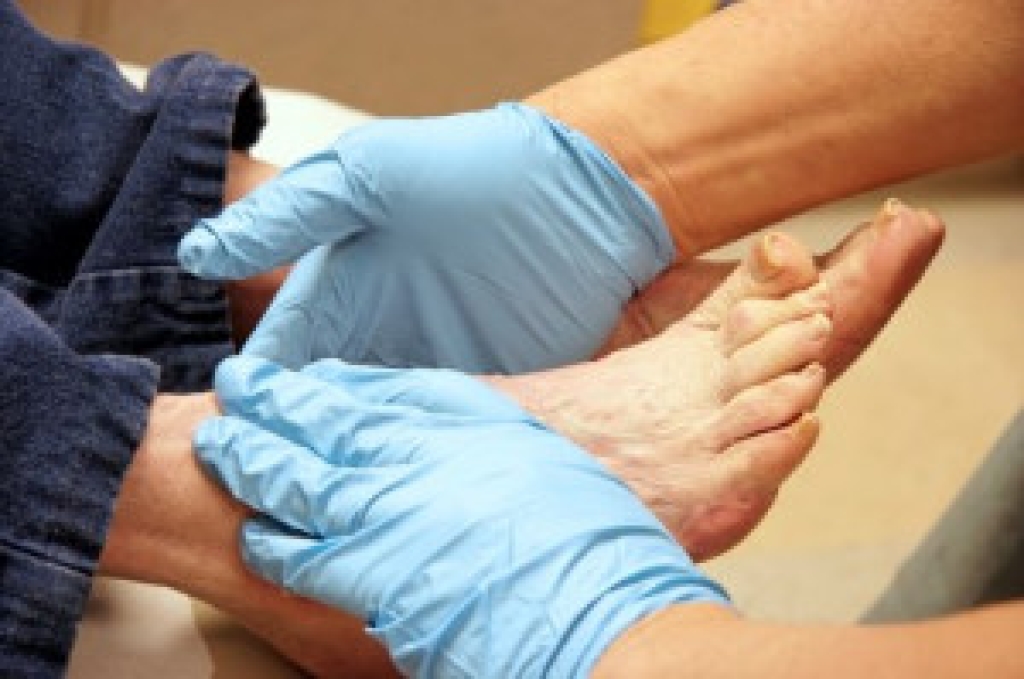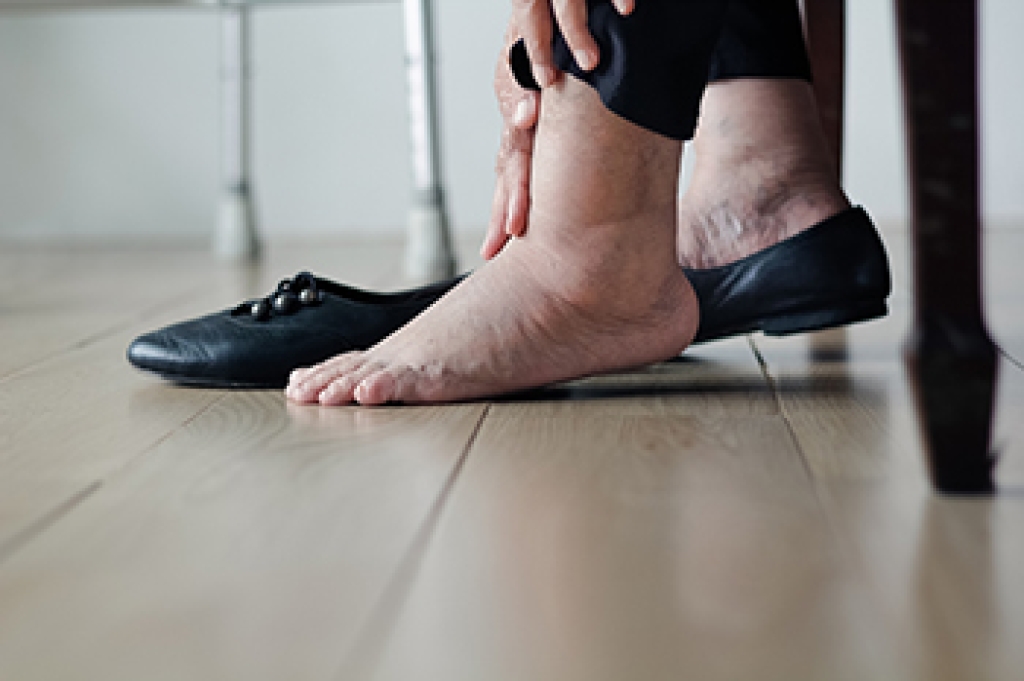
Many Reasons for Swollen Feet

People who have swollen feet and ankles are generally aware of how uncomfortable they can be. There are various reasons why this can occur, including eating foods that have high levels of sodium, and taking certain medications. Additionally, pregnant women and people who are overweight may notice their feet are swollen, or it may happen as an allergic reaction from an insect bite. Mild relief can be found when salt intake is reduced in the diet, starting a gentle exercise routine, and frequently elevating the feet. It is beneficial to refrain from sitting or standing for long periods of time, in addition to wearing socks and shoes that are too tight. It can help to wear shoes that fit properly, and have a low heel and soft sole. Shiny skin on the feet can be a sign of edema, which is the medical term for swollen feet. Some people may experience a skin color change on their feet, and this may be a symptom of edema. If you have this condition, and you fail to find relief with the above suggestions, please consult with a podiatrist who can provide an examination and conclude with a proper diagnosis and treatment.

Swollen feet can be a sign of an underlying condition. If you have any concerns, contact Emil Babayev, DPM of New York. Our doctor can provide the care you need to keep you pain-free and on your feet.

Swollen feet are a common ailment among pregnant women and people who stand or sit for extended periods. Aging may increase the possibility of swollen feet and patients who are obese often notice when their feet are swelling too. There may be medical reasons why swollen feet occur:

  • Phlebitis - A condition that causes the veins to become inflamed and can also cause leg pain.
  • Liver disease - This may lead to low blood levels of albumin which is a protein. This can cause fluid in the blood to pass into the tissues and several areas of the body can become swollen.
  • Heart failure - When the heart doesn’t pump properly the blood that is normally pumped back to the heart can pool in the veins of the legs causing swollen feet.
  • Kidney disease - One of the main functions of the kidneys is releasing excess fluid in the body. This type of condition can make it difficult for the kidneys to function properly, and as a result the feet may become swollen.
  • Deep-vein thrombosis (DVT)- This is a serious condition where blood clots form in the veins of the legs. They can block the return of blood from the legs to the heart which may cause the feet to swell. It is important to be treated by a podiatrist if this condition is present.

Swollen feet can also be caused by bone and tendon conditions, including fractures, arthritis, and tendinitis. Additionally, there may be skin and toenail conditions and an infection may cause the feet to swell. Patients who take medicine to treat high blood pressure may be prone to getting swollen feet. 

Many patients elevate their feet to help relieve the swelling and this is generally a temporary remedy. When a podiatrist is consulted the reason behind the swelling can be uncovered and subsequently treated.

If you have any questions please contact our offices located in Midwood and Kensington in Brooklyn, NY . We offer the newest diagnostic and treatment technologies for all your foot and ankle needs.
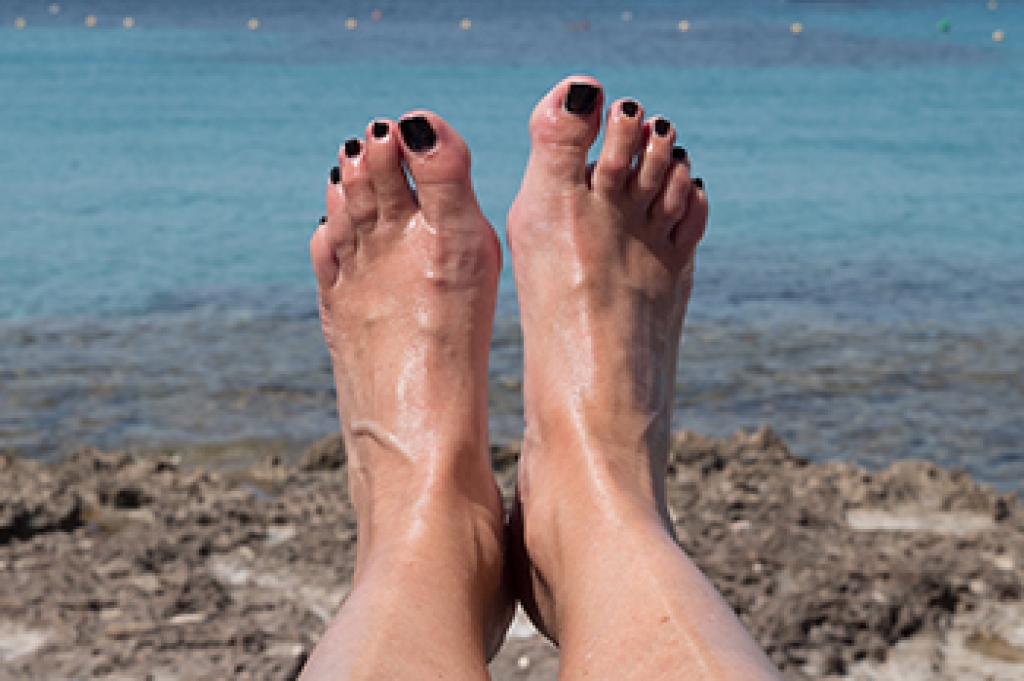
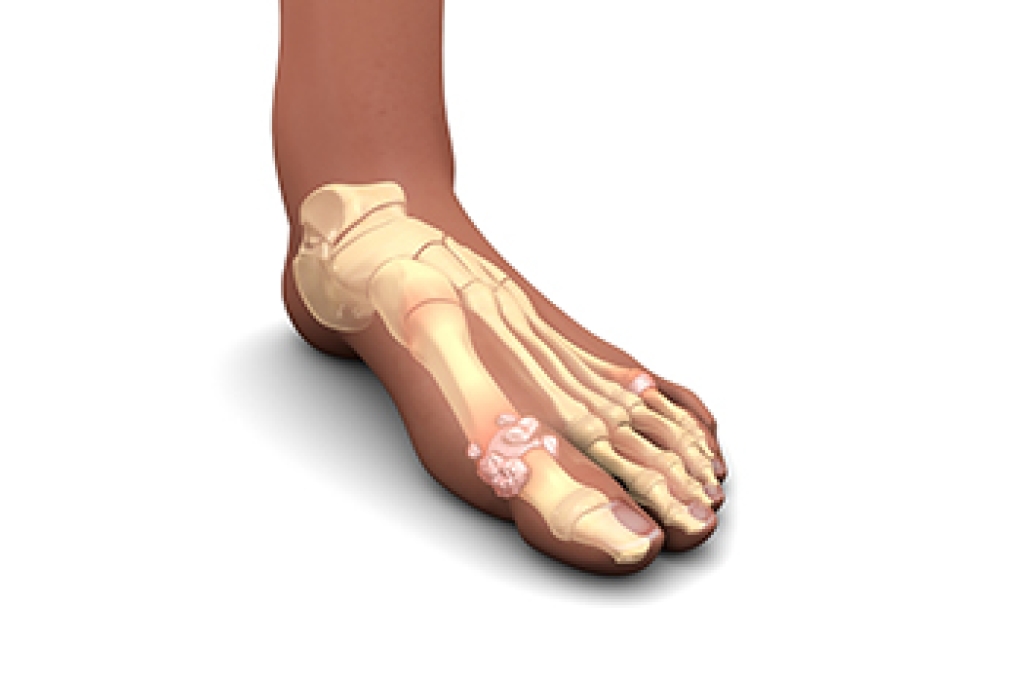
Read more about Swelling of the Feet

What Is a Plantar Fibroma?

If you are serious about protecting the health of your feet, you ought to make yourself familiar with various common foot afflictions that can negatively impact the vitality of your feet. Plantar fibroma is one of these conditions. Plantar fibroma occurs when a benign (noncancerous) tumor or nodule develops on the bottom of the foot. Most commonly, a plantar fibroma develops on the plantar fascia, the band of tissue that stretches from a person’s heel to the toes and makes up the arch of the foot. Plantar fibromas typically measure less than an inch, and they do not usually appear in an individual during the first 10 years of their life. This condition can either manifest itself as one entity or multiple entities. When plantar fibromas come in clusters and they become more invasive, this might be considered plantar fibromatosis. A plantar fibroma can be treated in various ways. One technique is to address the plantar fibroma with orthotics, or corrective shoe inserts. A surgical procedure might be needed to treat other cases of plantar fibroma. If you believe that you are suffering from plantar fibroma, consider reaching out to a podiatrist who can help you address this problem.

A plantar fibroma may disrupt your daily activities. If you have any concerns, contact Emil Babayev, DPM of New York. Our doctor can provide the care you need to keep you pain-free and on your feet.

Plantar Fibroma

A plantar fibroma is a fibrous knot in the arch of the foot. It is embedded in the plantar fascia which is a band of tissue that extends from the heel to the toes along the bottom of the foot. There can be multiple plantar fibromas in the feet at the same time. There are no known causes for this condition. If you have a plantar fibroma, there will be a bump in the arch of your foot that cannot be missed. Any associated pain is most often due to a shoe rubbing against the nodule. Non-surgical options, such as steroid injections, physical therapy, and orthotics should be tried first. Surgery is a last resort and is the only thing that will remove a plantar fibroma entirely. Consult with a podiatrist for a proper diagnosis and to determine the treatment regimen that is right for you.

What Causes a Plantar Fibroma?

While there are no specific causes identified, a plantar fibroma can possibly come from genetic predisposition or the formation of scar tissue that forms from healing the tears in the plantar fascia.

What Are the Symptoms of a Plantar Fibroma?

There will be a noticeable lump in the arch of the foot that may or may not cause pain. If pain is felt, it is typically because a shoe is rubbing up against the lump or when walking or standing barefoot.

Treatment and Prevention

A plantar fibroma will not disappear without treatment, but it can get smaller and be a non-issue. If pain persists, a podiatrist examines the foot and when the arch of the foot is pressed, pain can be felt down to the toes. An MRI or biopsy might be performed to help diagnose or evaluate the plantar fibroma. The following non-surgical options are generally enough to reduce the size and pain of these nodules:

  • Steroid injections
  • Orthotics
  • Physical therapy to help apply anti-inflammatory creams on the bump 

Surgery is considered if the mass increases in size and the patient continues to feel pain after non-surgical methods are tried.

If you have any questions, please feel free to contact our offices located in Midwood and Kensington in Brooklyn, NY . We offer the newest diagnostic and treatment technologies for all your foot care needs.

Read more about Plantar Fibroma

Painful Gout

People who have experienced the foot condition known as gout are often aware of the debilitating pain it can cause. Gout can develop as a result of excess uric acid in the bloodstream, and can be caused by eating foods that have high levels of purines. These foods include red meat, shellfish, and drinks that are made with large amounts of sugar. The pain from gout is often felt in the joints of the big toe, and additional symptoms include swelling and redness surrounding the affected joint. Some people may have a genetic history of developing gout, which may also occur in patients who are obese. A proper diagnosis can be performed when a small sample is taken from the joint and analyzed for crystals that can lodge there. Effective preventive measures include frequently practicing a gentle exercise routine, reducing the amount of alcohol consumed, and eating a healthy diet. If you have developed gout, it is strongly suggested that you are under the care of a podiatrist who can properly treat this condition.

Gout is a foot condition that requires certain treatment and care. If you are seeking treatment, contact Emil Babayev, DPM from New York. Our doctor will treat your foot and ankle needs.

What Is Gout?

Gout is a type of arthritis caused by a buildup of uric acid in the bloodstream. It often develops in the foot, especially the big toe area, although it can manifest in other parts of the body as well. Gout can make walking and standing very painful and is especially common in diabetics and the obese.

People typically get gout because of a poor diet. Genetic predisposition is also a factor. The children of parents who have had gout frequently have a chance of developing it themselves.

Gout can easily be identified by redness and inflammation of the big toe and the surrounding areas of the foot. Other symptoms include extreme fatigue, joint pain, and running high fevers. Sometimes corticosteroid drugs can be prescribed to treat gout, but the best way to combat this disease is to get more exercise and eat a better diet.

If you have any questions, please feel free to contact our offices located in Midwood and Kensington in Brooklyn, NY . We offer the newest diagnostic and treatment technologies for all your foot care needs.

Read more about Everything You Need to Know About Gout

Healing Plantar Dermatosis in Kids

A condition called juvenile plantar dermatosis is a fancy term for dry skin on the feet. It usually affects children between the ages of 3 and 14 and is most prevalent around the age of 8. It rarely affects adults and diminishes in children when they reach puberty. Causes include friction from the sole rubbing inside the shoe, wearing synthetic shoes or shoes that do not “breathe,” and excessive sweating followed by rapid drying that leads to cracks in the skin. With plantar dermatosis, the soles of the feet typically become red, shiny, itchy, or sore and take on a glazed appearance. It usually affects both feet starting with the big toe and results in painful fissures, cracking, and scaling. For this reason, it may be confused with athlete’s foot or eczema. Treatment includes wearing shoes that fit well and are not made of leather or plastic, avoiding synthetic socks, and applying moisturizing cream daily. To find out more about plantar dermatosis in your child, please consult a podiatrist who can rule out other causes and prescribe the appropriate medication. 

Making sure that your children maintain good foot health is very important as they grow. If you have any questions, contact Emil Babayev, DPM of New York. Our doctor can provide the care you need to keep you pain-free and on your feet.

Keeping Children's Feet Healthy

Having healthy feet during childhood can help prevent medical problems later in life, namely in the back and legs. As children grow, their feet require different types of care. Here are some things to consider...

Although babies do not walk yet, it is still very important to take care of their feet.

Avoid putting tight shoes or socks on his or her feet.

Allow the baby to stretch and kick his or her feet to feel comfortable.

As a toddler, kids are now on the move and begin to develop differently. At this age, toddlers are getting a feel for walking, so don’t be alarmed if your toddler is unsteady or ‘walks funny’. 

As your child gets older, it is important to teach them how to take care of their feet.

Show them proper hygiene to prevent infections such as fungus.

Be watchful for any pain or injury.

Have all injuries checked by a doctor as soon as possible.

Comfortable, protective shoes should always be worn, especially at play.

If you have any questions, please feel free to contact our offices located in Midwood and Kensington in Brooklyn, NY . We offer the newest diagnostic and treatment technologies for all your foot care needs.

Read more about What to Do to Keep Your Child’s Feet Healthy

Effective Methods to Help Diabetic Patients' Feet Feel Better

People who have diabetes often have difficulty in feeling cuts, bruises, and scrapes on their feet. This may be a result of elevated blood sugar levels that can cause neuropathy, and this may lead to existing cuts becoming infected and foot ulcers developing. Nerve damage is common among diabetic patients, and can cause a loss of feeling in the feet. Additionally, some patients may experience a tingling sensation. Effective methods that may help the feet to stay healthy can include washing and drying the feet daily, always wearing shoes that fit well, and trimming the toenails correctly. Diabetic patients may notice their feet can feel better when they wiggle the toes occasionally, as this is helpful in promoting good blood circulation. It is beneficial to stay as active as possible by swimming, walking, or riding a bike frequently. When the feet are checked at every health care visit, existing cuts may be noticed and treated promptly. If you have diabetes, it is strongly suggested that you are under the care of a podiatrist who can help you to manage this condition and offer effective treatment methods.

Diabetic foot care is important in preventing foot ailments such as ulcers. If you are suffering from diabetes or have any other concerns about your feet, contact Emil Babayev, DPM from New York. Our doctor can provide the care you need to keep you pain-free and on your feet.

Diabetic Foot Care

Diabetes affects millions of people every year. The condition can damage blood vessels in many parts of the body, especially the feet. Because of this, taking care of your feet is essential if you have diabetes, and having a podiatrist help monitor your foot health is highly recommended.

The Importance of Caring for Your Feet

  • Routinely inspect your feet for bruises or sores.
  • Wear socks that fit your feet comfortably.
  • Wear comfortable shoes that provide adequate support.

Patients with diabetes should have their doctor monitor their blood levels, as blood sugar levels play such a huge role in diabetic care. Monitoring these levels on a regular basis is highly advised.

It is always best to inform your healthcare professional of any concerns you may have regarding your feet, especially for diabetic patients. Early treatment and routine foot examinations are keys to maintaining proper health, especially because severe complications can arise if proper treatment is not applied.

If you have any questions, please feel free to contact our offices located in Midwood and Kensington in Brooklyn, NY . We offer the newest diagnostic and treatment technologies for all your foot care needs.

Read more about How to Care for Diabetic Foot

Connect With Us

scroll-to-top