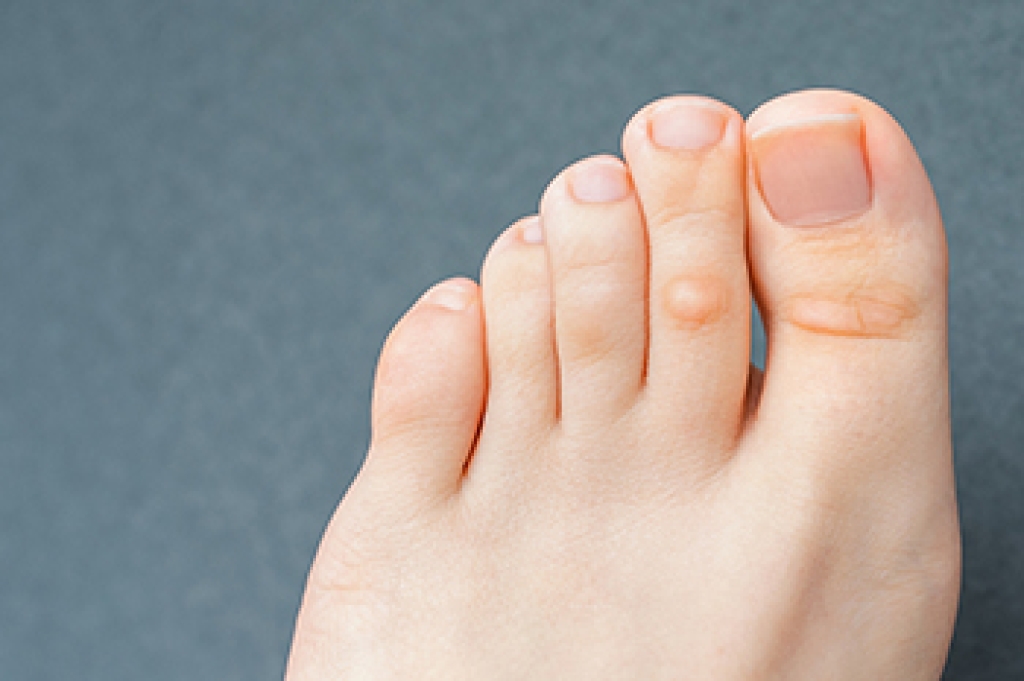
Salicylic Acid on Corns

Corns on the feet, although not always a serious condition, can still cause patients discomfort and annoyance because of their unsightly look. Corns are essentially defined as tough or hardened areas of the skin on the feet that develop in response to friction and pressure. Many individuals with corns on the feet are interested to know how salicylic acid can be used to treat this condition. Interestingly, this acid is known as a keratolytic, and so a medical professional may use it to dissolve the substances that compose the corn on the feet. Specifically, the salicylic acid can be used to dissolve proteins that make up the corn. It is important to note that salicylic acid is made in a variety of concentrations that will all have different effects on the removal of the corn. Schedule an appointment with a podiatrist to learn more about this and to treat your corns. 

If you have any concerns regarding your feet and ankles, contact Emil Babayev, DPM of New York. Our doctor will treat your foot and ankle needs.

Corns: What Are They? and How Do You Get Rid of Them?
Corns can be described as areas of the skin that have thickened to the point of becoming painful or irritating. They are often layers and layers of the skin that have become dry and rough, and are normally smaller than calluses.

Ways to Prevent Corns
There are many ways to get rid of painful corns such as wearing:

  • Well-fitting socks
  • Comfortable shoes that are not tight around your foot
  • Shoes that offer support

Treating Corns
Treatment of corns involves removing the dead skin that has built up in the specific area of the foot. Consult with Our doctor to determine the best treatment option for your case of corns.

If you have any questions, please feel free to contact our offices located in Midwood and Kensington in Brooklyn, NY . We offer the newest diagnostic and treatment technologies for all your foot care needs.


Read more about Everything You Need to Know About Corns

Ways to Deal With Swelling Feet When Pregnant

For many pregnant women, having swollen feet becomes a growing concern. The main cause of swelling, or edema, is a natural increase in bodily fluids that results in swelling to the legs and feet. This can cause the feet to change in size, and shoes that used to fit no longer do. The amount of swelling can increase or decrease as the day goes on, but there are measures that can be taken to help reduce this discomfort. A few ways to keep edema under control include avoiding standing for long periods, elevating the feet whenever possible, and stopping wearing socks with tight elastic tops. Further, experts suggest doing a little exercise, such as walking and swimming, to keep the feet and ankles moving. It is also important to wear comfortable shoes that provide adequate cushioning to absorb the body’s extra weight. Finally, cutting down on salt, wearing compression socks, and drinking plenty of fluids are suggested. For more information about swollen feet during pregnancy, please visit a podiatrist for an exam and possible treatment measures.

Pregnant women with swollen feet can be treated with a variety of different methods that are readily available. For more information about other cures for swollen feet during pregnancy, consult with Emil Babayev, DPM from New York. Our doctor will attend to all of your foot and ankle needs.

What Foot Problems Can Arise During Pregnancy?

One problem that can occur is overpronation, which occurs when the arch of the foot flattens and tends to roll inward.  This can cause pain and discomfort in your heels while you’re walking or even just standing up, trying to support your baby.  

Another problem is edema, or swelling in the extremities. This often affects the feet during pregnancy but tends to occur in the later stages. 

How Can I Keep My Feet Healthy During Pregnancy?

  • Wearing orthotics can provide extra support for the feet and help distribute weight evenly
  • Minimize the amount of time spent walking barefoot
  • Wear shoes with good arch support
  • Wear shoes that allow for good circulation to the feet
  • Elevate feet if you experience swelling
  • Massage your feet
  • Get regular, light exercise, such as walking, to promote blood circulation to the feet

If you have any questions, please feel free to contact our offices located in Midwood and Kensington in Brooklyn, NY . We offer the newest diagnostic and treatment technologies for all your foot care needs.
Read more about Pregnancy and Foot Health

Get Professional Care for a Broken Foot or Ankle

Constant care and regular evaluation are important for a foot or ankle fracture. If left untreated, foot or ankle fractures can worsen over time and create more serious problems.

Don't wait to be examined if you believe you've experienced a foot or ankle fracture.

Medication May Be Necessary to Rid Toenail Fungus

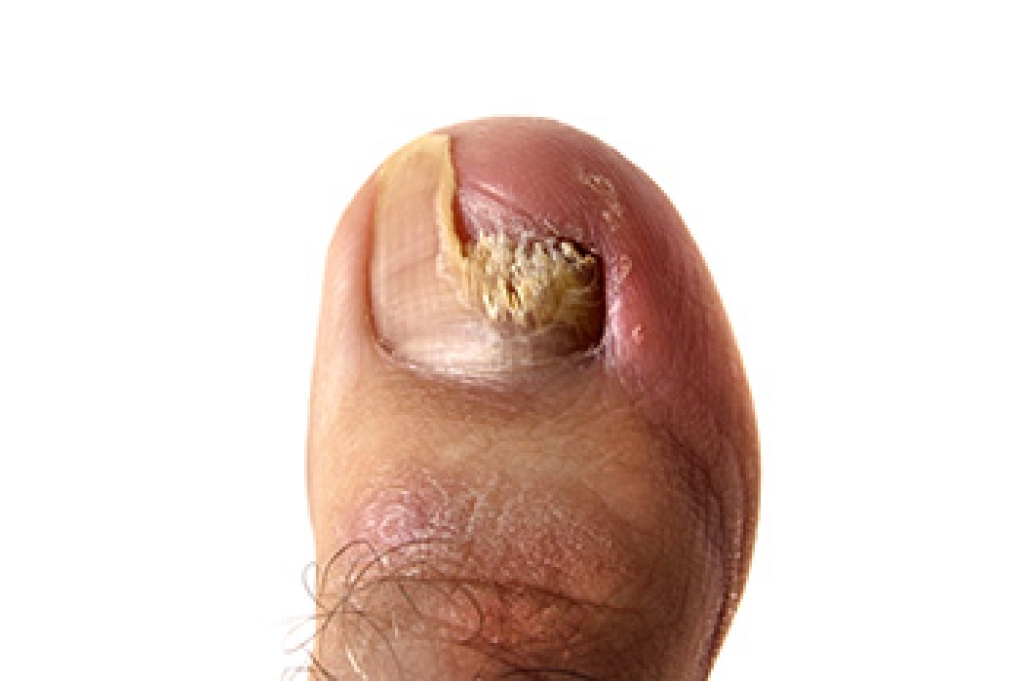
Toenail fungus is a nail infection that is characterized by nails that become brittle, yellow, and generally unsightly. In severe cases, the fungus may cause the nail to fall off, and a new nail will grow that forms underneath it. Additionally, common symptoms include a change in the nail shape, and debris may be trapped under the nail. There are specific medical conditions that may put a patient at a greater risk for developing toenail fungus. These can include immune system disorders, genetic factors, or possibly from being diabetic. Many people decide to seek treatment for their toenail fungus, which generally consists of taking prescribed oral and cream medication, and laser treatment may be considered. If you have toenail fungus, it will typically worsen if prompt treatment is not sought. Please contact a podiatrist who can effectively treat toenail fungus.

For more information about treatment, contact Emil Babayev, DPM of New York. Our doctor can provide the care you need to keep you pain-free and on your feet.

Toenail Fungus Treatment

Toenail fungus is a condition that affects many people and can be especially hard to get rid of. Fortunately, there are several methods to go about treating and avoiding it.

Antifungals & Deterrence

Oral antifungal medicine has been shown to be effective in many cases. It is important to consult with a podiatrist to determine the proper regiment for you, or potentially explore other options.

Applying foot powder on the feet and shoes helps keep the feet free of moisture and sweat.

Sandals or open toed shoes – Wearing these will allow air movement and help keep feet dry. They also expose your feet to light, which fungus cannot tolerate. Socks with moisture wicking material also help as well.

If you have any questions please contact our offices located in Midwood and Kensington in Brooklyn, NY . We offer the newest diagnostic and treatment technologies for all your foot and ankle needs.

Read more about Toenail Fungus

Medical Conditions May Cause Cracked Heels

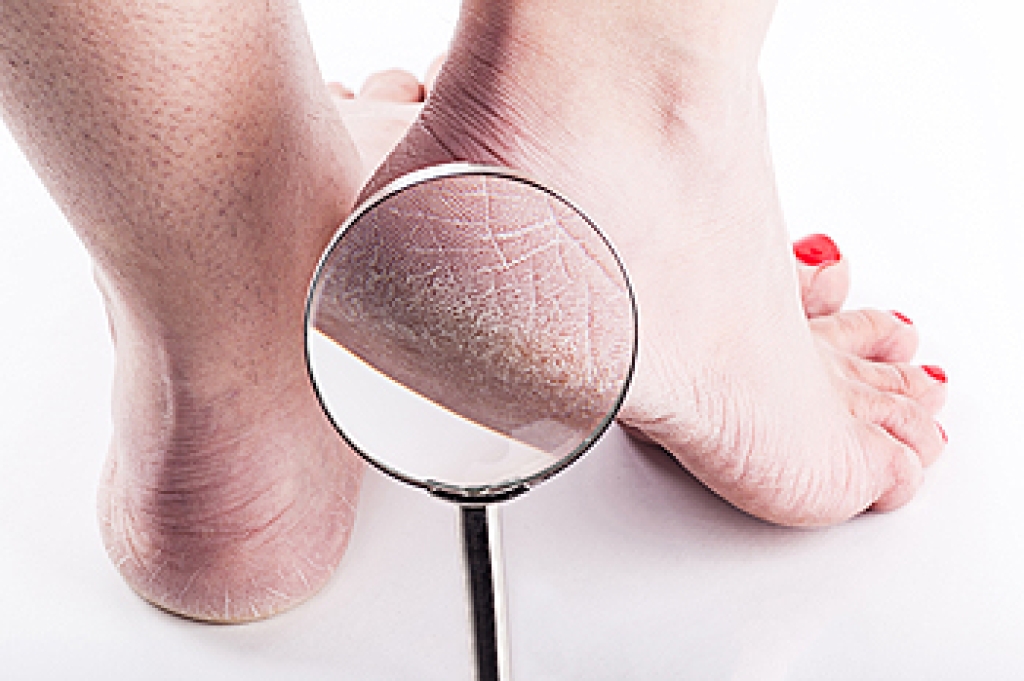
Cracked heels are an uncomfortable foot condition that can develop for various reasons. These can include wearing shoes that do not have a back or standing on hard surfaces for most of the day. Dry skin may also contribute to developing cracked heels and may come from having specific medical conditions. These can include eczema, psoriasis, or hyperkeratosis, which can happen from participating in sporting activities that consistently rub the skin. Additionally, a thyroid disorder may cause the skin to become dry, possibly leading to cracked heels, and it is not uncommon for diabetic patients to have this condition as well. Mild relief may be found when the feet are soaked in warm water, followed by applying a good moisturizer. Wearing cushioned socks may help to protect the heels from rubbing against the shoes. Cracked heels can become infected so it is strongly suggested that you are under the care of a podiatrist who can prescribe medication that can begin effective treatment.

Cracked heels are unsightly and can cause further damage to your shoes and feet. If you have any concerns, contact Emil Babayev, DPM from New York. Our doctor can provide the care you need to keep you pain-free and on your feet.

Cracked Heels

Cracked heels appear unappealing and can make it harder for you walk around in sandals. Aside from looking unpleasant, cracked heels can also tear stockings, socks, and wear out your shoes. There are several methods to help restore a cracked heel and prevent further damage.

How Do You Get Them?

Dry skin is the number one culprit in creating cracked heels. Many athletes, walkers, joggers, and even swimmers suffer from cracked heels. Age and skin oil production play a role to getting cracked heels as well.

Promote Healing

Over the counter medicines can help, especially for those that need instant relief or who suffer from chronic dry feet.

Wear Socks – Wearing socks with medicated creams helps lock in moisture.

Moisturizers – Applying both day and night will help alleviate dryness which causes cracking.

Pumice Stones – These exfoliate and remove dead skin, which allows for smoother moisturizer application and better absorption into the skin. 

Change in Diet

Eating healthy with a well-balanced diet will give the skin a fresh and radiant look. Your body responds to the kinds of food you ingest. Omega-3 fatty acids and zinc supplements can also revitalize skin tissue.

Most importantly, seek professional help if unsure how to proceed in treating cracked heels. A podiatrist will help you with any questions or information needed. 

If you have any questions, please feel free to contact our offices located in Midwood and Kensington in Brooklyn, NY . We offer the newest diagnostic and treatment technologies for all your foot care needs.
Read more about Solutions for Cracked Heels

Connect With Us

scroll-to-top