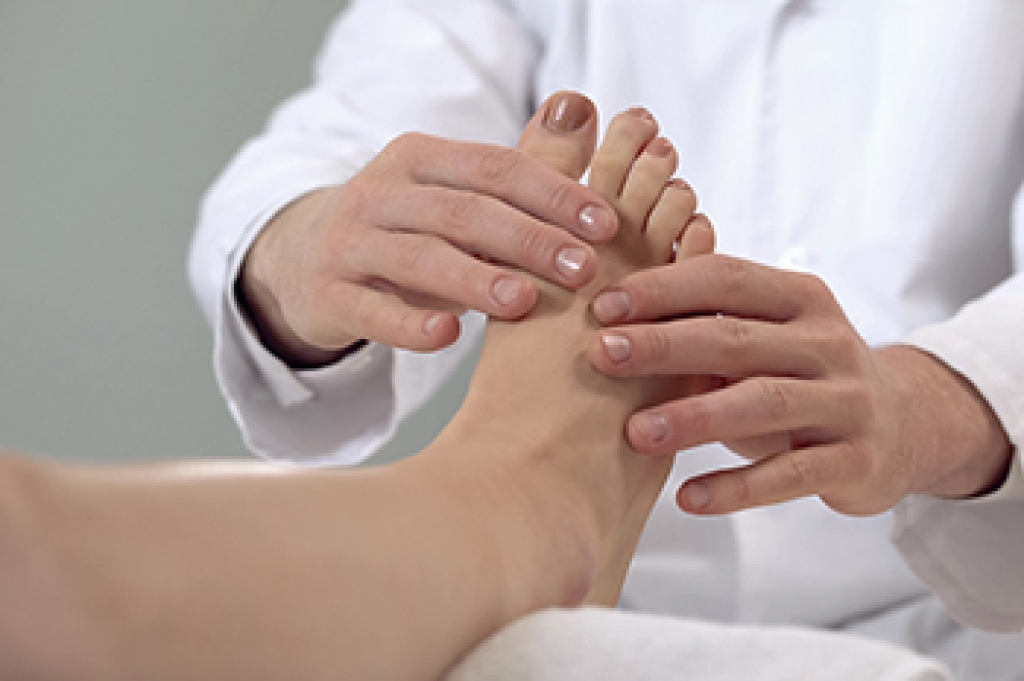
Contagious Athlete’s Foot

The foot condition known as athlete’s foot can be uncomfortable and many people are embarrassed at how their feet look when they are afflicted with this ailment. It is caused by a fungus that lives in warm and moist environments including shower room floors, public swimming pools, and locker rooms. The fungus can invade the body through small cracks in the skin on the feet and initial symptoms of athlete’s foot can consist of itchiness and redness. It is suggested to wear appropriate shoes while in these types of areas as this may help to control the spread of athlete's foot. It is a contagious foot condition, and it is suggested that towels, shoes, and socks should not be shared. The symptoms of untreated athlete’s foot may gradually worsen and if you suffer from this ailment, it is strongly suggested that you are under the care of a podiatrist who can offer you the correct treatment methods.

Athlete’s Foot

Athlete’s foot is often an uncomfortable condition to experience. Thankfully, podiatrists specialize in treating athlete’s foot and offer the best treatment options. If you have any questions about athlete’s foot, consult with Emil Babayev, DPM from New York. Our doctor will assess your condition and provide you with quality treatment.

What Is Athlete’s Foot?

Tinea pedis, more commonly known as athlete’s foot, is a non-serious and common fungal infection of the foot. Athlete’s foot is contagious and can be contracted by touching someone who has it or infected surfaces. The most common places contaminated by it are public showers, locker rooms, and swimming pools. Once contracted, it grows on feet that are left inside moist, dark, and warm shoes and socks.

Prevention

The most effective ways to prevent athlete’s foot include:

  • Thoroughly washing and drying feet
  • Avoid going barefoot in locker rooms and public showers
  • Using shower shoes in public showers
  • Wearing socks that allow the feet to breathe
  • Changing socks and shoes frequently if you sweat a lot

Symptoms

Athlete’s foot initially occurs as a rash between the toes. However, if left undiagnosed, it can spread to the sides and bottom of the feet, toenails, and if touched by hand, the hands themselves. Symptoms include:

  • Redness
  • Burning
  • Itching
  • Scaly and peeling skin

Diagnosis and Treatment

Diagnosis is quick and easy. Skin samples will be taken and either viewed under a microscope or sent to a lab for testing. Sometimes, a podiatrist can diagnose it based on simply looking at it. Once confirmed, treatment options include oral and topical antifungal medications.

If you have any questions, please feel free to contact our offices located in Midwood and Kensington in Brooklyn, NY . We offer the newest diagnostic and treatment technologies for all your foot care needs.
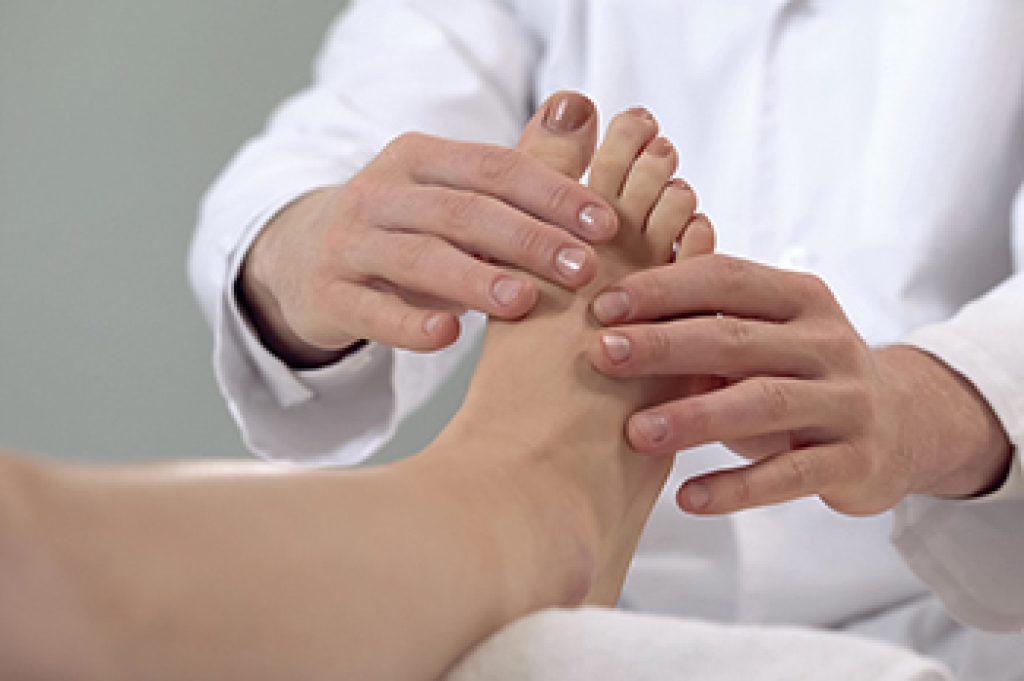

Read more about How to Deal with Athlete's Foot

Do You Work on Your Feet?

Many people who work on their feet for most of the day understand the importance of resting their feet briefly during a scheduled break before returning to their duties at work. This can include many professions including the restaurant industry, medical personnel, and retail workers. There are several foot conditions that can result from standing all day. Plantar fasciitis, poor circulation, bunions, and foot arthritis are a few examples. It is extremely beneficial to wear shoes that fit correctly and are comfortable. It is essential to choose shoes that have a good support system and avoid shoes that are flat like flip-flops or ballet shoes. Additionally, it is suggested to refrain from wearing shoes that will push the toes forward which can move the center of gravity. Many people wear compression socks as this can be helpful in controlling circulation. When the workday is over, many people understand the pleasure of soaking their feet in warm water since this is helpful in reducing pain and inflammation. If you would like more information about how to protect the feet while working or standing all day, please consult with a podiatrist who can answer any questions you may have.

While working on the feet, it is important to take the proper care of them. For more information about working on your feet, contact Emil Babayev, DPM from New York. Our doctor will treat your foot and ankle needs.

Working on Your Feet

Standing on your feet for long periods of time can cause stress and pain in your feet. Your whole body may experience change in terms of posture, back pain, bunions, callouses and or plantar warts. There are ways to avoid these conditions with proper foot care, smart choices and correct posture.

Positive Changes

Negative heeled shoe – Choosing this shoe type places the heel slightly lower than the ball of the foot. These are great for overall foot health. Find shoes that fit you correctly.

Go barefoot – Our feet were not designed to be enclosed for all hours of the day. Try to periodically expose your feet to air.

Eliminate Pain

Foot Exercises – Performing simple exercises, incorporating yoga and doing stretches are beneficial. This will allow increased blood flow to the area and muscles of the foot.

Achilles tendon – Stretching the foot out flat on the floor will relax the calf muscles and tendon. These exercises can be performed almost anywhere. Make sure you add these exercises to your daily regimen. 

With a little bit of this information and knowing more about foot health, you will notice changes. Foot stretches and proper footwear will help with pain and prevent further issues.

If you have any questions please contact our offices located in Midwood and Kensington in Brooklyn, NY . We offer the newest diagnostic and treatment technologies for all your foot and ankle needs.

Read more about Working on Your Feet

Heel Pain in the Morning?

Heel pain can negatively affect your day-to-day life. Simple activities like walking can become incredibly uncomfortable or painful due to heel pain.

Don’t live with heel pain and get treated.

Complications of Corns

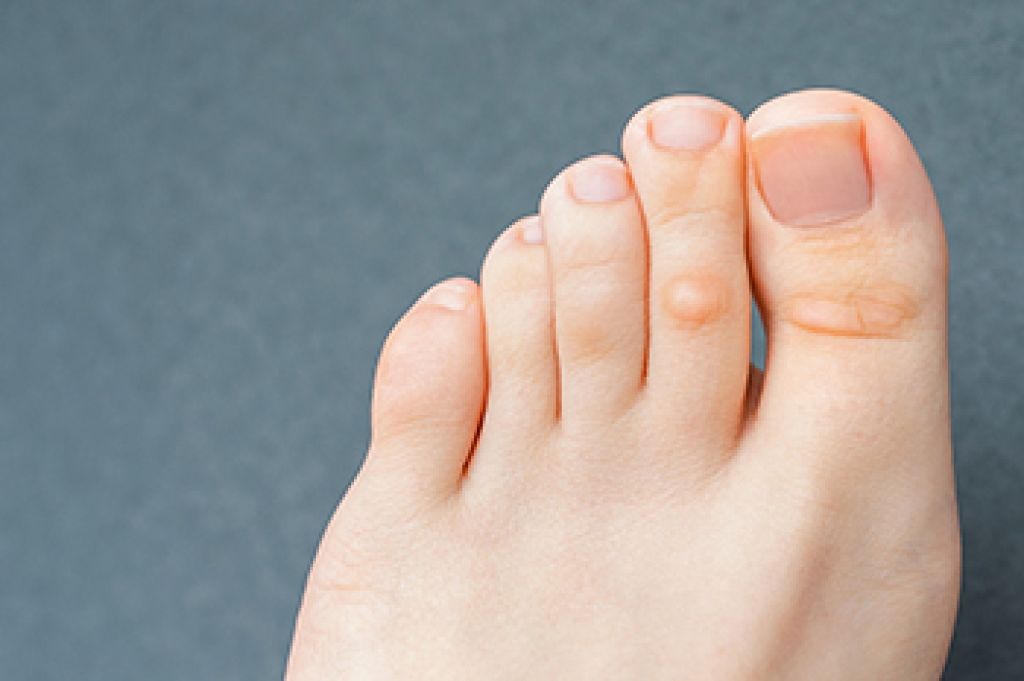
Corns are hardened spots of skin that can develop on the feet in response to pressure or friction. Specifically, corns develop on, near, and between the toes. Sometimes, corns can grow on an individual’s feet because their shoes are ill-fitting and too tight, causing the material to repeatedly rub up against the foot. This creates the kind of friction that causes corns. There are several complications associated with this particular foot affliction to be aware of. First, in severe cases of corns, the individual may experience a sensation of pain at the affected area. Having a particularly troublesome corn could also negatively impact your gait and capacity to walk or run. Severe cases of corns, if left unaddressed and untreated, might also lead to infections. Healthy tissues in and around the affected area on the foot could also be harmed or damaged by corns. If you have corns on your feet, contact a podiatrist and schedule an appointment today. This foot specialist can help you try to avoid these complications.

If you have any concerns regarding your feet and ankles, contact Emil Babayev, DPM of New York. Our doctor will treat your foot and ankle needs.

Corns: What Are They? and How Do You Get Rid of Them?
Corns can be described as areas of the skin that have thickened to the point of becoming painful or irritating. They are often layers and layers of the skin that have become dry and rough, and are normally smaller than calluses.

Ways to Prevent Corns
There are many ways to get rid of painful corns such as wearing:

  • Well-fitting socks
  • Comfortable shoes that are not tight around your foot
  • Shoes that offer support

Treating Corns
Treatment of corns involves removing the dead skin that has built up in the specific area of the foot. Consult with Our doctor to determine the best treatment option for your case of corns.

If you have any questions, please feel free to contact our offices located in Midwood and Kensington in Brooklyn, NY . We offer the newest diagnostic and treatment technologies for all your foot care needs.
Read more about Corns: What Are They, and How Do You Get Rid of Them

Various Reasons Why a Heel Spur May Develop

People who develop heel spurs are aware of the pain and discomfort they may cause. It is defined as a bony growth on the back of the heel and between the arch, and is generally felt while walking and running. It is a calcium deposit, and wearing shoes that do not fit correctly may increase the risk of getting a heel spur. They may be one of three shapes, including pointed, shelf-like, and hooked, and may be up to a half inch long. The common symptoms that many patients experience can consist of a chronic ache in the heel of the foot, and there may be inflammation and swelling in the affected area. Additionally, it is often tender to the touch, and it may feel warm. A heel spur happens as a result of strained ligaments and muscles that gradually wear out the soft tissues in the heel. People who have experienced a heel injury, are overweight, or who frequently run and jump on hard surfaces, may be at a greater risk for developing a heel spur.  Mild relief can come from resting the affected foot as often possible, and wearing shoes that have adequate support and cushioning. If you have been afflicted by a heel spur, it is suggested that you confer with a podiatrist who can recommend correct treatment options, which may include surgery for permanent removal. 

Heel spurs can be incredibly painful and sometimes may make you unable to participate in physical activities. To get medical care for your heel spurs, contact Emil Babayev, DPM from New York. Our doctor will do everything possible to treat your condition.

Heels Spurs

Heel spurs are formed by calcium deposits on the back of the foot where the heel is. This can also be caused by small fragments of bone breaking off one section of the foot, attaching onto the back of the foot. Heel spurs can also be bone growth on the back of the foot and may grow in the direction of the arch of the foot.

Older individuals usually suffer from heel spurs and pain sometimes intensifies with age. One of the main condition's spurs are related to is plantar fasciitis.

Pain

The pain associated with spurs is often because of weight placed on the feet. When someone is walking, their entire weight is concentrated on the feet. Bone spurs then have the tendency to affect other bones and tissues around the foot. As the pain continues, the feet will become tender and sensitive over time.

Treatments

There are many ways to treat heel spurs. If one is suffering from heel spurs in conjunction with pain, there are several methods for healing. Medication, surgery, and herbal care are some options.

If you have any questions, please feel free to contact our offices located in Midwood and Kensington in Brooklyn, NY . We offer the newest diagnostic and treatment technologies for all your foot care needs.
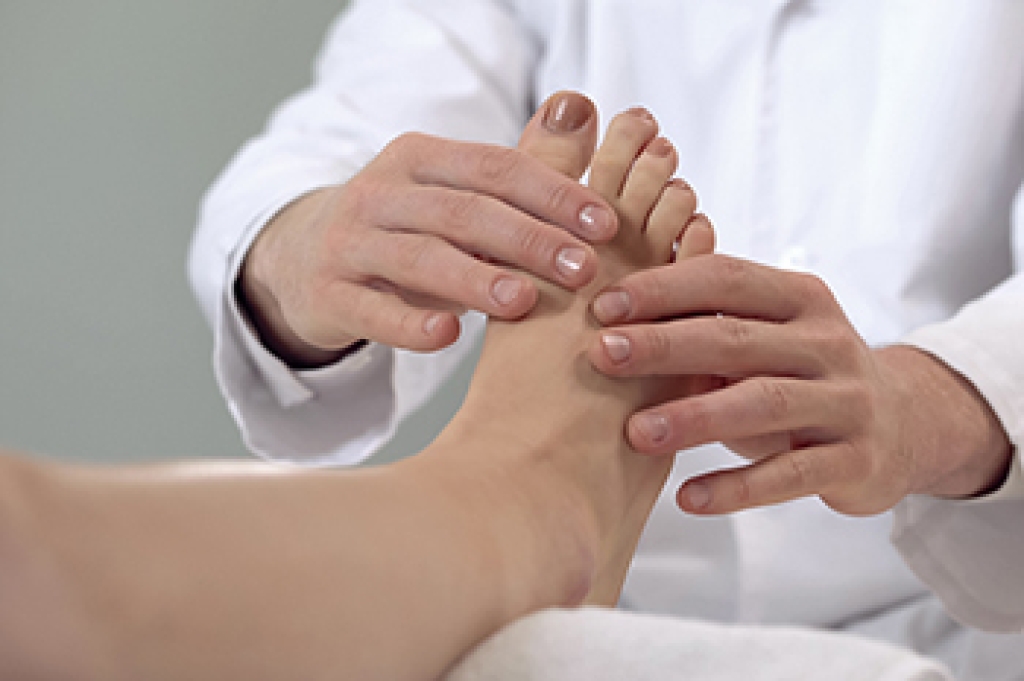
Read more about Heel Spurs

Connect With Us

scroll-to-top