
Ganglion Cysts

A ganglion cyst is a non-cancerous smooth lump that is filled with a jelly-like fluid. It can develop near joints and tendons and can form on the foot or ankle. The cause of these cysts is unclear, but they seem to develop in areas of trauma from a single or repeated injury. They seem to form when synovial fluid leaks from a joint or tendon and collects in a sac under the skin. Synovial fluid cushions and lubricates joints and tendons during movement. These cysts usually affect people aged 15 to 40 and are more apt to develop in females. A ganglion cyst can cause tingling if it presses on a nerve and pain if it touches a tendon or joint. Wearing shoes may be uncomfortable for those with a ganglion cyst. Such a cyst can be the size of a pea or a golf ball. It can be soft or hard. These cysts usually go away on their own, but it can take years and they can return. If you feel you may have a ganglion cyst that is causing pain or mobility issues, contact a podiatrist to have it examined. This medical professional can offer you treatment to restore you to comfort.

Foot Pain

Foot pain can be extremely painful and debilitating. If you have a foot pain, consult with Emil Babayev, DPM from New York. Our doctor will assess your condition and provide you with quality foot and ankle treatment.

Causes

Foot pain is a very broad condition that could be caused by one or more ailments. The most common include:

  • Bunions
  • Hammertoes
  • Plantar Fasciitis
  • Bone Spurs
  • Corns
  • Tarsal Tunnel Syndrome
  • Ingrown Toenails
  • Arthritis (such as Gout, Rheumatoid, and Osteoarthritis)
  • Flat Feet
  • Injury (from stress fractures, broken toe, foot, ankle, Achilles tendon ruptures, and sprains)
  • And more

Diagnosis

To figure out the cause of foot pain, podiatrists utilize several different methods. This can range from simple visual inspections and sensation tests to X-rays and MRI scans. Prior medical history, family medical history, and any recent physical traumatic events will all be taken into consideration for a proper diagnosis.

Treatment

Treatment depends upon the cause of the foot pain. Whether it is resting, staying off the foot, or having surgery; podiatrists have a number of treatment options available for foot pain.

If you have any questions, please feel free to contact our offices located in Midwood and Kensington in Brooklyn, NY . We offer the newest diagnostic and treatment technologies for all your foot care needs.
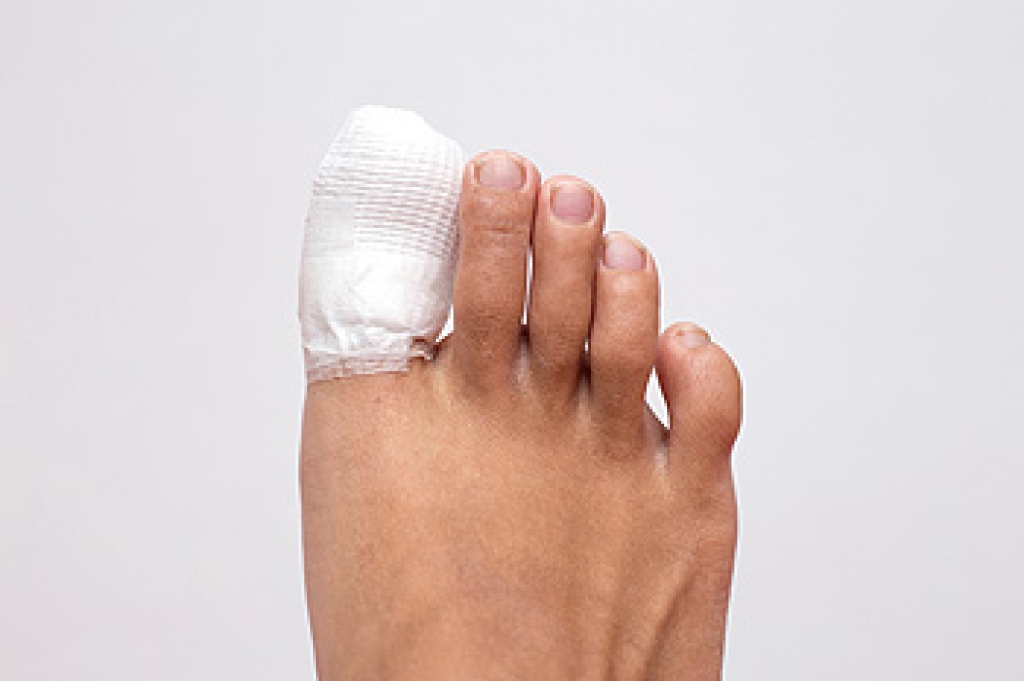

Read more about Foot Pain

Broken Toe and Stubbing

Almost everyone is familiar with the pain that can result from stubbing one’s toe. For example, when an individual suddenly jams their toe into a hard surface, such as the leg of a table or a door frame, they might experience sharp sudden pain. Severe cases of stubbed toes can result in further injuries, such as a broken toe. In these cases, the bones in the toes will break. There are several ways to identify a broken toe. You might notice swelling at the toe, discoloration, difficulty moving the toe, and even numbness. Although a broken toe might not sound serious to some people, it is nothing to take lightly. If you have stubbed your toe and begin to notice these symptoms, it is wise to contact a podiatrist immediately. This foot specialist will help you identify and treat the problem in your feet.

A broken toe can be very painful and lead to complications if not properly fixed. If you have any concerns about your feet, contact Emil Babayev, DPM from New York. Our doctor will treat your foot and ankle needs.

What to Know About a Broken Toe

Although most people try to avoid foot trauma such as banging, stubbing, or dropping heavy objects on their feet, the unfortunate fact is that it is a common occurrence. Given the fact that toes are positioned in front of the feet, they typically sustain the brunt of such trauma. When trauma occurs to a toe, the result can be a painful break (fracture).

Symptoms of a Broken Toe

  • Throbbing pain
  • Swelling
  • Bruising on the skin and toenail
  • The inability to move the toe
  • Toe appears crooked or disfigured
  • Tingling or numbness in the toe

Generally, it is best to stay off of the injured toe with the affected foot elevated.

Severe toe fractures may be treated with a splint, cast, and in some cases, minor surgery. Due to its position and the pressure it endures with daily activity, future complications can occur if the big toe is not properly treated.

If you have any questions, please feel free to contact our offices located in Midwood and Kensington in Brooklyn, NY . We offer the newest diagnostic and treatment technologies for all your foot care needs.
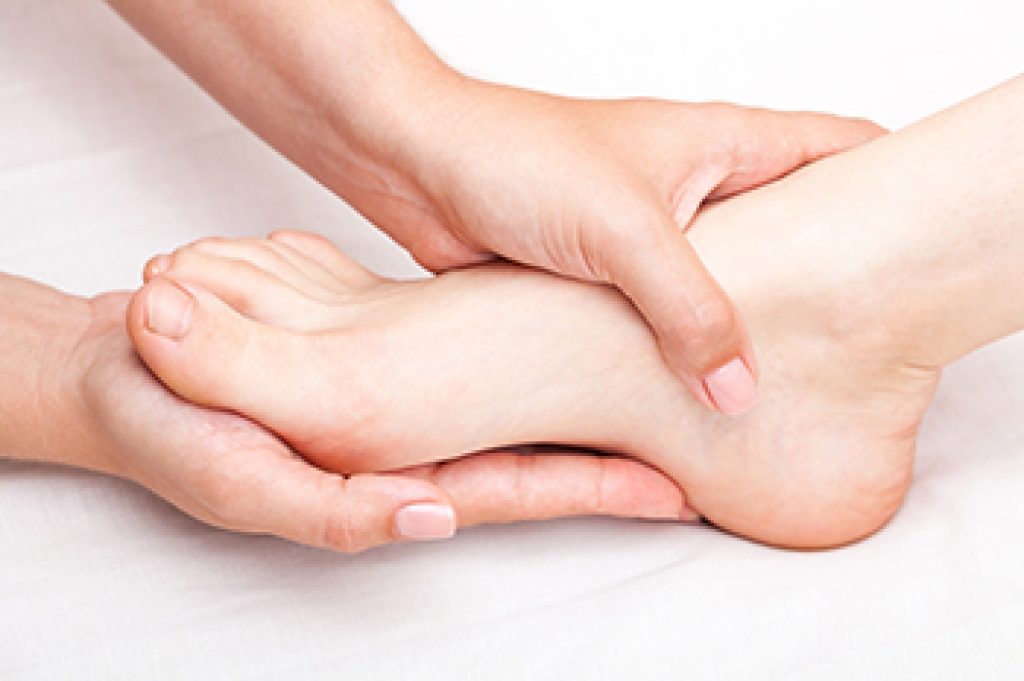
Read more about What to Know About a Broken Toe

Where Is the Tarsal Tunnel?

The feet endure hundreds of times the body weight of an individual, occurring several times per day. The ankle is responsible for weight bearing, in addition to absorbing the shock, the body endures while walking and running. One of the components of the ankle is called the tarsal tunnel, and the tibial nerve is located inside this tunnel. The foot condition that is known as tarsal tunnel syndrome occurs when the tibial nerve becomes inflamed and compressed, and can cause difficulty in walking. This condition may be prone to people who have flat feet, as a result of abnormal foot structure. Additionally, a tumor or cyst that has developed in this part of the foot may place pressure on the nerve, possibly causing tarsal tunnel syndrome to develop. Common symptoms patients may experience may consist of a burning sensation along the inside of the ankle, and can radiate to the entire foot. Relief may be found when the affected foot is elevated, and walking can temporarily subside. Effective prevention methods may include performing specific stretches that can strengthen the ankle, in addition to warming up and cooling down before and after running. Tarsal tunnel syndrome is treated by a podiatrist, and it is suggested that you confer with this type of doctor who can offer you the correct treatment options.

Tarsal tunnel syndrome can be very uncomfortable to live with. If you are experiencing tarsal tunnel syndrome, contact Emil Babayev, DPM of New York. Our doctor can provide the care you need to keep you pain-free and on your feet.

Tarsal Tunnel Syndrome

Tarsal tunnel syndrome, which can also be called tibial nerve dysfunction, is an uncommon condition of misfiring peripheral nerves in the foot. The tibial nerve is the peripheral nerve in the leg responsible for sensation and movement of the foot and calf muscles. In tarsal tunnel syndrome, the tibial nerve is damaged, causing problems with movement and feeling in the foot of the affected leg.

Common Cause of Tarsal Tunnel Syndrome

  • Involves pressure or an injury, direct pressure on the tibial nerve for an extended period of time, sometimes caused by other body structures close by or near the knee.
  • Diseases that damage nerves, including diabetes, may cause tarsal tunnel syndrome.
  • At times, tarsal tunnel syndrome can appear without an obvious cause in some cases.

The Effects of Tarsal Tunnel Syndrome

  • Different sensations, an afflicted person may experience pain, tingling, burning or other unusual sensations in the foot of the affected leg.
  • The foot muscles, toes and ankle become weaker, and curling your toes or flexing your foot can become difficult.
  • If condition worsens, infections and ulcers may develop on the foot that is experiencing the syndrome.

A physical exam of the leg can help identify the presence of tarsal tunnel syndrome. Medical tests, such as a nerve biopsy, are also used to diagnose the condition. Patients may receive physical therapy and prescriptive medication. In extreme cases, some may require surgery.

If you have any questions please contact our offices located in Midwood and Kensington in Brooklyn, NY . We offer the newest diagnostic and treatment technologies for all your foot and ankle needs.

Read more about Tarsal Tunnel Syndrome

High Heels and Morton’s Neuroma

People who have Morton’s neuroma often liken the pain to having a rock or pebble inside their sock or shoe. If the discomfort does not subside in a reasonable amount of time, it may be diagnosed as this condition. It is defined as a thickened or compressed nerve that is found between the third and fourth toes. Most people feel pain from this condition in the ball of the foot, and it can negatively impact completing daily activities. There are various ways this nerve can become irritated. These include medical conditions such as bunions, hammertoes, and high arches. Additionally, wearing shoes that do not have adequate room for the toes to move freely in, such as high heels, can compress the nerve. Having an MRI or CT scan performed is often successful in diagnosing Morton’s neuroma, and a stress fracture may be ruled out by having an X-ray taken. If you have pain in this part of your foot, it is advised that you consult a podiatrist who can help you with specific stretches and effective treatments that can relieve your pain.

Morton’s neuroma is a very uncomfortable condition to live with. If you think you have Morton’s neuroma, contact Emil Babayev, DPM of New York. Our doctor will attend to all of your foot care needs and answer any of your related questions.  

Morton’s Neuroma

Morton's neuroma is a painful foot condition that commonly affects the areas between the second and third or third and fourth toe, although other areas of the foot are also susceptible. Morton’s neuroma is caused by an inflamed nerve in the foot that is being squeezed and aggravated by surrounding bones.

What Increases the Chances of Having Morton’s Neuroma?

  • Ill-fitting high heels or shoes that add pressure to the toe or foot
  • Jogging, running or any sport that involves constant impact to the foot
  • Flat feet, bunions, and any other foot deformities

Morton’s neuroma is a very treatable condition. Orthotics and shoe inserts can often be used to alleviate the pain on the forefront of the feet. In more severe cases, corticosteroids can also be prescribed. In order to figure out the best treatment for your neuroma, it’s recommended to seek the care of a podiatrist who can diagnose your condition and provide different treatment options.

If you have any questions, please feel free to contact our offices located in Midwood and Kensington in Brooklyn, NY . We offer the newest diagnostic and treatment technologies for all your foot care needs.
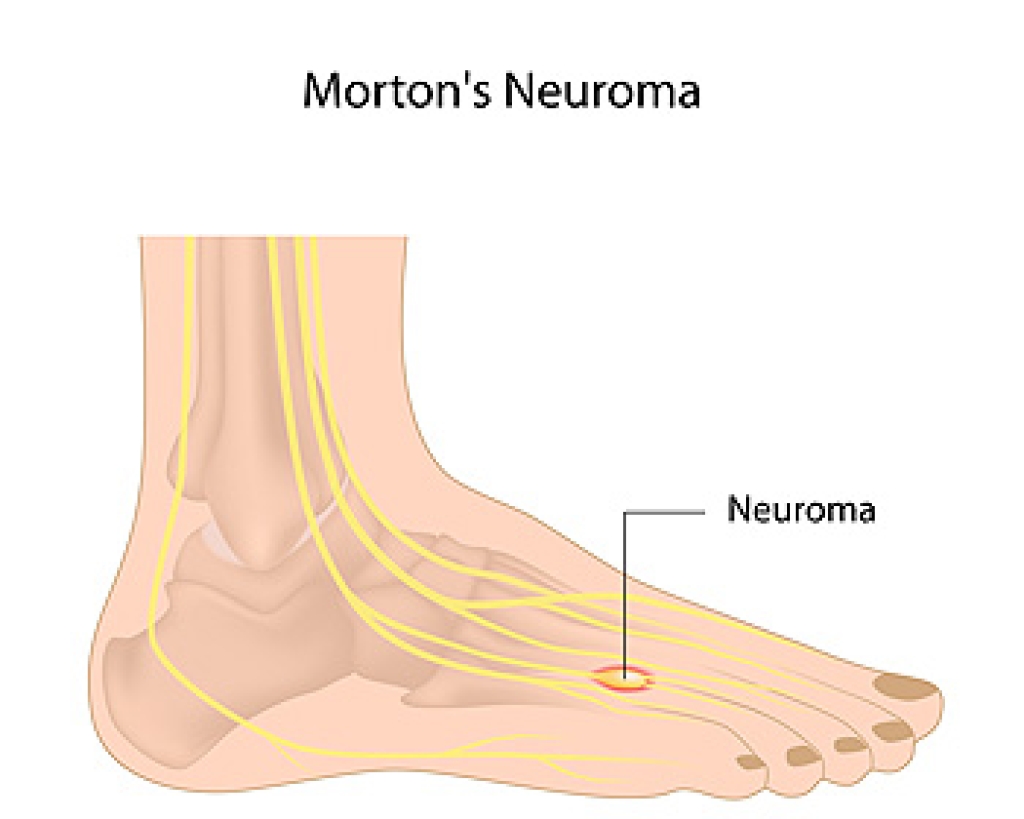
Read more about Morton's Neuroma

Two Types of Achilles Tendon Injuries

Many people who experience an Achilles tendon tear are often in severe pain. This type of injury can fall into two categories, consisting of a partial or complete rupture, and can also be known as a tear. Middle-aged people who infrequently participate in sporting activities may be prone to getting an Achilles tendon injury, which may happen from accelerating speed and intensity too quickly. The Achilles tendon is found in the calf, and its function is to connect the calf muscles to the heel. Common symptoms that are associated with this type of injury include a sharp and sudden pain in the calf or heel, and it may be followed by an inability to walk. If the tendon is torn, surgery may be necessary for a permanent repair. A partial tear may be helped by performing specific stretches which may promote healing. If there are previous tears, the likelihood of getting another Achilles tendon injury may increase, and it is suggested that precautionary measures be taken. Patients who have this type of injury are urged to seek counsel from a podiatrist who can effectively treat this condition.

Achilles tendon injuries need immediate attention to avoid future complications. If you have any concerns, contact Emil Babayev, DPM of New York. Our doctor can provide the care you need to keep you pain-free and on your feet.

What Is the Achilles Tendon?

The Achilles tendon is a tendon that connects the lower leg muscles and calf to the heel of the foot. It is the strongest tendon in the human body and is essential for making movement possible. Because this tendon is such an integral part of the body, any injuries to it can create immense difficulties and should immediately be presented to a doctor.

What Are the Symptoms of an Achilles Tendon Injury?

There are various types of injuries that can affect the Achilles tendon. The two most common injuries are Achilles tendinitis and ruptures of the tendon.

Achilles Tendinitis Symptoms

  • Inflammation
  • Dull to severe pain
  • Increased blood flow to the tendon
  • Thickening of the tendon

Rupture Symptoms

  • Extreme pain and swelling in the foot
  • Total immobility

Treatment and Prevention

Achilles tendon injuries are diagnosed by a thorough physical evaluation, which can include an MRI. Treatment involves rest, physical therapy, and in some cases, surgery. However, various preventative measures can be taken to avoid these injuries, such as:

  • Thorough stretching of the tendon before and after exercise
  • Strengthening exercises like calf raises, squats, leg curls, leg extensions, leg raises, lunges, and leg presses

If you have any questions please feel free to contact our offices located in Midwood and Kensington in Brooklyn, NY . We offer the newest diagnostic tools and technology to treat your foot and ankle needs.

Read more about What are Achilles Tendon Injuries

Connect With Us

scroll-to-top