What Causes Foot and Toe Cramps?

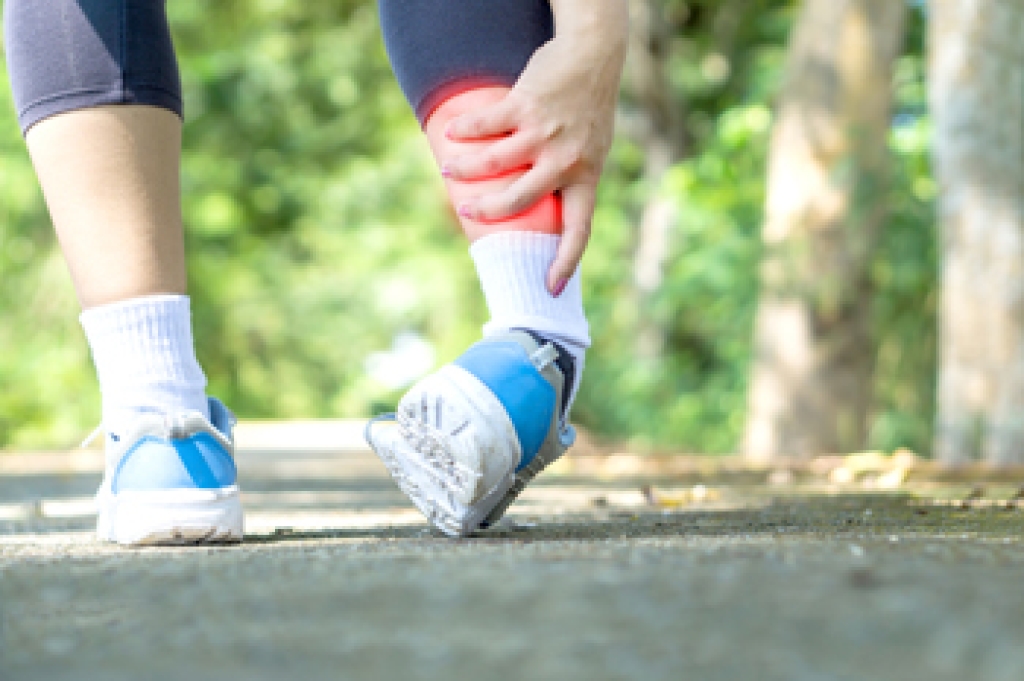
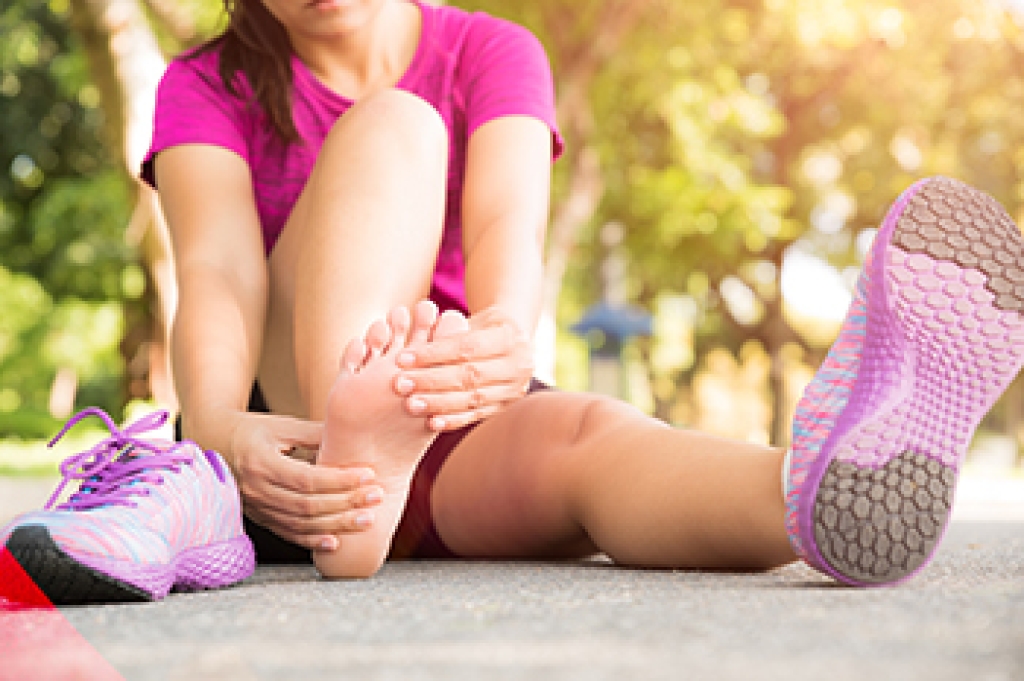
Anyone who has been jarred awake in the middle of the night by a toe, foot, or leg cramp knows how uncomfortable that can be. A cramp occurs when a muscle involuntarily contracts and is unable to relax. The intense pain caused by a cramp usually goes away, either on its own or by gently massaging or stretching the muscle that is affected. Athletes are most likely to experience foot and toe cramps after long bouts of exercise or other physical activity. High temperatures can also cause cramps from loss of electrolytes, which is a sign of dehydration. Wearing tight shoes or holding a specific position for a long period can bring on cramps, resulting from restricted blood flow. A more serious cause of cramps is arteriosclerosis, which is a constriction of blood flow to the extremities caused by a blockage in the arteries. In some cases, the cramping may be the result of diabetes, nerve damage, or Parkinson’s disease. Cramps may also be caused by deficiencies in certain minerals, such as potassium, calcium, and magnesium. If lower leg, foot, or toe cramps are becoming a regular occurrence, it is wise to visit a podiatrist for a diagnosis and possible treatment options.

Toe pain can disrupt your daily activities. If you have any concerns, contact Emil Babayev, DPM of New York. Our doctor can provide the care you need to keep you pain-free and on your feet.

What Causes Toe Pain?

Most severe toe pain is caused due to a sports injury, trauma from dropping something heavy on the toe, or bumping into something rigid. Other problems can develop over time for various reasons.

Toe pain can be caused by one or more ailments. The most common include:

  • Trauma
  • Sports injury
  • Wearing shoes that are too tight
  • Arthritis
  • Gout
  • Corns and calluses
  • Hammertoe
  • Bunions
  • Blisters
  • Ingrown toenails
  • Sprains
  • Fractures (broken bones)
  • Dislocations

When to See a Podiatrist

  • Severe pain
  • Persistent pain that lasts more than a week
  • Signs of infection
  • Continued swelling
  • Pain that prevents walking

Diagnosis

In many cases the cause of toe pain is obvious, but in others, a podiatrist may want to use more advanced methods to determine the problem. These can range from simple visual inspections and sensation tests to X-rays and MRI scans. Prior medical history, family medical history, and any recent physical traumatic events will all be taken into consideration for a proper diagnosis.

Treatment

Treatments for toe pain and injuries vary and may include shoe inserts, padding, taping, medicines, injections, and in some cases, surgery. If you believe that you have broken a toe, please see a podiatrist as soon as possible.

If you have any questions please contact our offices located in Midwood and Kensington in Brooklyn, NY . We offer the newest diagnostic and treatment technologies for all your foot and ankle needs.

Read more about Toe Pain

Why Do I Have a Corn?

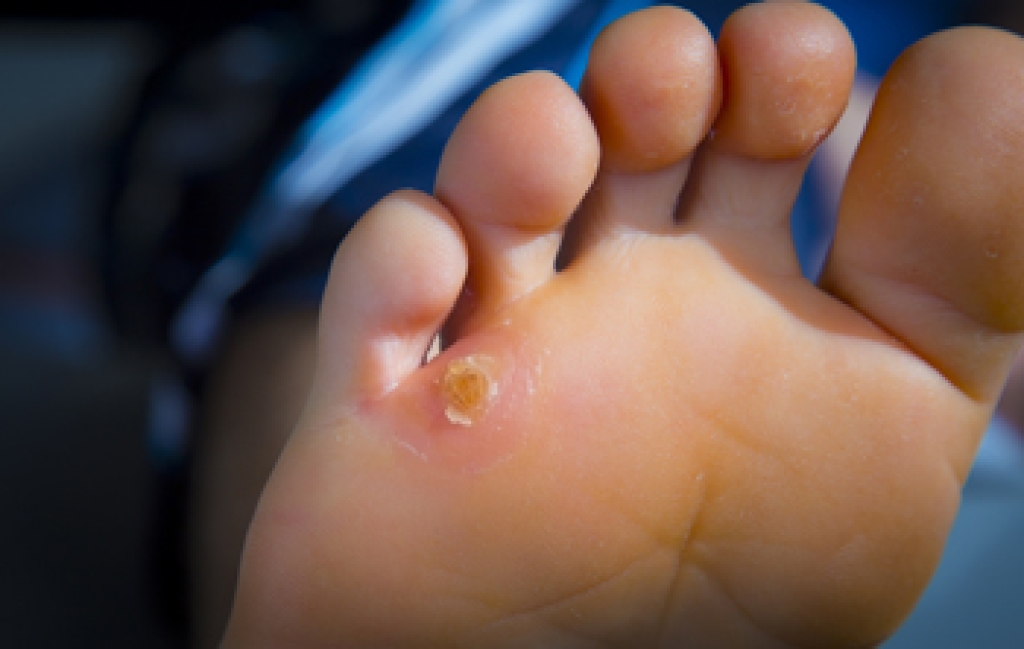
If you see a rough patch of skin on your toes or on the bottom of your feet, it may be a corn. Many corns develop on the pinky toe as a result of excessive friction that comes from wearing shoes that are too tight. A corn that forms on this toe can cause severe pain, despite its small size. Corns are defined as dead skin, surrounded by redness and inflammation. Two common categories of corns are referred to as hard and soft. The latter is found between the toes, as a result of the consistent moisture that collects from sweat. Hard corns can be found on the bottom of the feet, or on top of the toes. Mild relief may be found when a protective patch is worn over the corn, and this may help to prevent further pressure from friction. An effective preventive method consists of wearing shoes that fit correctly. If you have corns on your feet, please consult with a podiatrist who may recommend minor surgery for permanent removal.

Corns can make walking very painful and should be treated immediately. If you have questions regarding your feet and ankles, contact Emil Babayev, DPM of New York. Our doctor will treat your foot and ankle needs.

Corns: What Are They? And How Do You Get Rid of Them?
Corns are thickened areas on the skin that can become painful. They are caused by excessive pressure and friction on the skin. Corns press into the deeper layers of the skin and are usually round in shape.

Ways to Prevent Corns
There are many ways to get rid of painful corns such as:

  • Wearing properly fitting shoes that have been measured by a professional
  • Wearing shoes that are not sharply pointed or have high heels
  • Wearing only shoes that offer support

Treating Corns

Although most corns slowly disappear when the friction or pressure stops, this isn’t always the case. Consult with your podiatrist to determine the best treatment option for your case of corns.

If you have any questions, please feel free to contact our offices located in Midwood and Kensington in Brooklyn, NY . We offer the newest diagnostic and treatment technologies for all your foot care needs.

Read more about Understanding Corns and Calluses

Are You Suffering From Nerve Damage?

Neuropathy is a condition that can lead to numbness or loss of sensation in the feet, but it can also cause pain. This condition is more likely to develop for those who are diabetic, obese, or with high blood pressure.

Ankle Sprain Recovery for Runners

It is well-known by experts that an ankle sprain that is not given ample time to heal is likely to be reinjured. And in some cases, this can develop into chronic ankle weakness. Because the ankle bears the weight of the body and absorbs the force when you run, it becomes harder for it to heal. Most runners, and probably most athletes, want to hurry the process along. This is not wise, because a sprained ankle that is not fully healed may end up having an effect on other parts of the body due to overcompensation. Statistics show that reinjury rates for ankle sprains are between 40 and 70 percent, causing ankle instability problems for many months or even years. Rather than shaking off, or worse, ignoring the ankle problems, experts recommend that runners take as long as needed to fully recover healthy ankle function. Exercises to improve balance and strengthen the feet are suggested, along with bracing or taping the ankles. Please consult a podiatrist if you have any questions about ankle sprain recovery. 

Ankle sprains are common but need immediate attention. If you need your feet checked, contact Emil Babayev, DPM from New York. Our doctor can provide the care you need to keep you pain-free and on your feet.

How Does an Ankle Sprain Occur?

Ankle sprains take place when the ligaments in your ankle are torn or stretched beyond their limits. There are multiple ways that the ankle can become injured, including twisting or rolling over onto your ankle, putting undue stress on it, or causing trauma to the ankle itself.

What Are the Symptoms?

  • Mild to moderate bruising
  • Limited mobility
  • Swelling
  • Discoloration of the skin (depending on severity)

Preventing a Sprain

  • Wearing appropriate shoes for the occasion
  • Stretching before exercises and sports
  • Knowing your limits

Treatment of a Sprain

Treatment of a sprain depends on the severity.  Many times, people are told to rest and remain off their feet completely, while others are given an air cast. If the sprain is very severe, surgery may be required.

If you have suffered an ankle sprain previously, you may want to consider additional support such as a brace and regular exercises to strengthen the ankle.

If you have any questions please feel free to contact our offices located in Midwood and Kensington in Brooklyn, NY . We offer the newest diagnostic tools and technology to treat your foot and ankle needs.

Read more about Ankle Sprains

Slips, Trips, and Falls Among Retail Workers

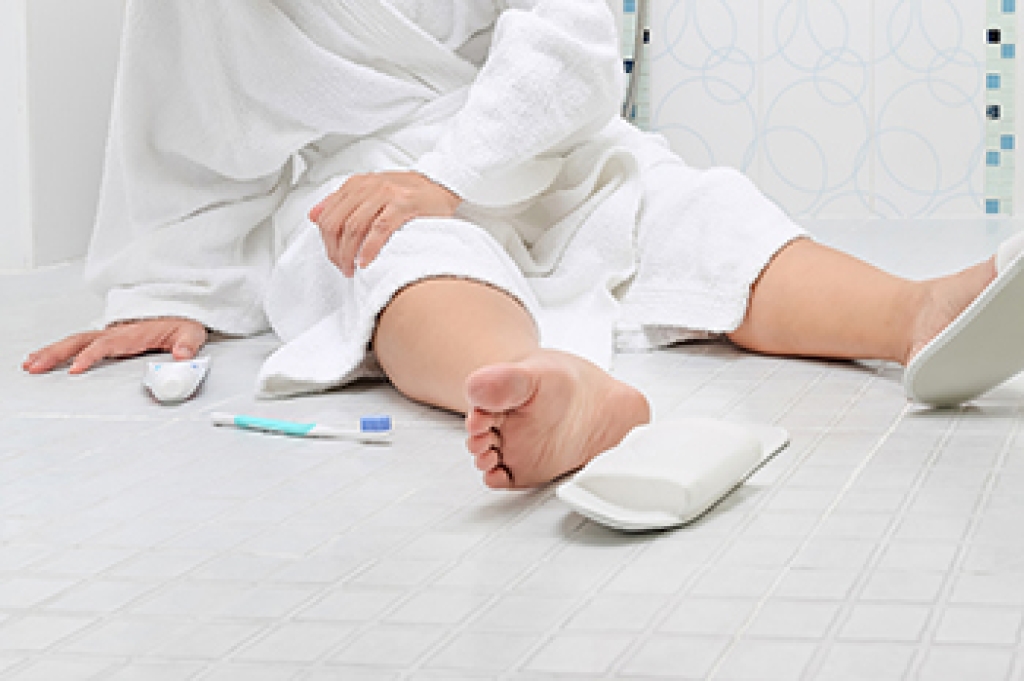
Causes of slips, trips, or falls include poor weather conditions, like ice, snow, rain, loose mats or rugs, and stepladders. Poor lighting and clutter can aggravate such injuries by causing sprains, fractures, and cuts to the feet or ankles. This is especially true in retail stores.  If a retail worker sees something in the environment that might lead to injury, it should be reported to a supervisor as soon as possible. Spills leading to slippery walkways, cluttered areas, and wrinkled or bunched-up mats are some examples of things that need to be taken care of to prevent falls. If you work in a retail environment or are shopping there and sustain a foot or ankle injury from a fall, contact a podiatrist who can evaluate the damage and provide appropriate treatment.

Preventing falls among the elderly is very important. If you are older and have fallen or fear that you are prone to falling, consult with Emil Babayev, DPM from New York. Our doctor will assess your condition and provide you with quality advice and care.

Every 11 seconds, an elderly American is being treated in an emergency room for a fall related injury. Falls are the leading cause of head and hip injuries for those 65 and older. Due to decreases in strength, balance, senses, and lack of awareness, elderly persons are very susceptible to falling. Thankfully, there are a number of things older persons can do to prevent falls.

How to Prevent Falls

Some effective methods that older persons can do to prevent falls include:

  • Enrolling in strength and balance exercise program to increase balance and strength
  • Periodically having your sight and hearing checked
  • Discuss any medications you have with a doctor to see if it increases the risk of falling
  • Clearing the house of falling hazards and installing devices like grab bars and railings
  • Utilizing a walker or cane
  • Wearing shoes that provide good support and cushioning
  • Talking to family members about falling and increasing awareness

Falling can be a traumatic and embarrassing experience for elderly persons; this can make them less willing to leave the house, and less willing to talk to someone about their fears of falling. Doing such things, however, will increase the likelihood of tripping or losing one’s balance. Knowing the causes of falling and how to prevent them is the best way to mitigate the risk of serious injury.  

If you have any questions, please feel free to contact our offices located in Midwood and Kensington in Brooklyn, NY . We offer the newest diagnostic and treatment technologies for all your foot care needs.

Read more about Falls Prevention

Connect With Us

scroll-to-top