
Various Reasons for Toe Pain

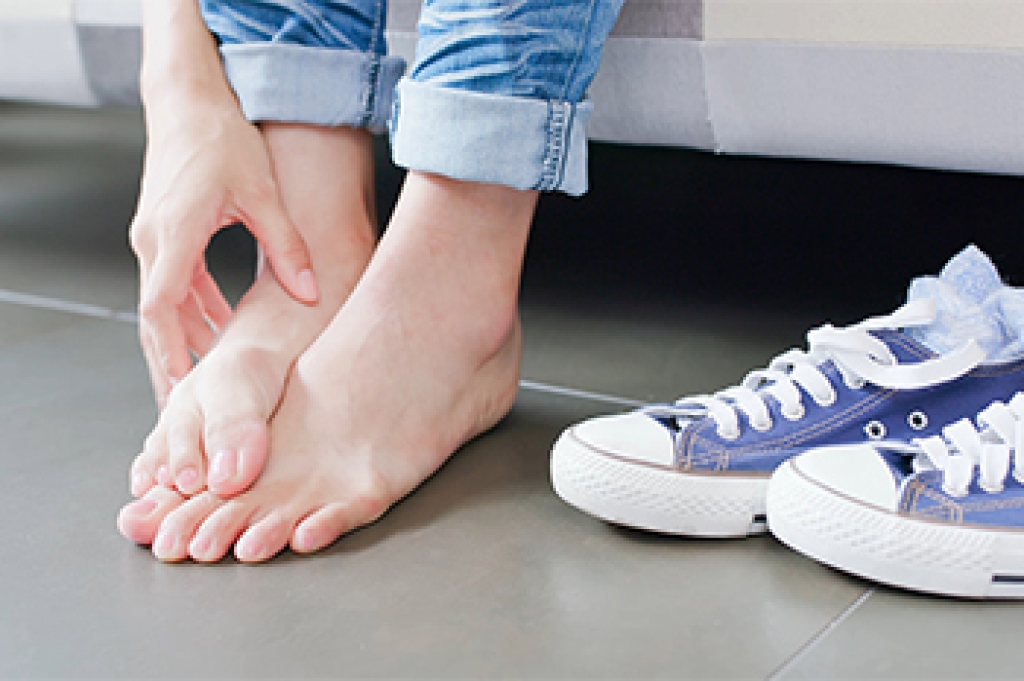
The bones in the toes can be easier to fracture than other bones. They are small in size and can be stubbed or jammed against a piece of furniture, often causing pain and discomfort. Additional forms of toe pain can include bunions, ingrown toenails, or the toe may become sprained from an injury. If the toe is thought to be broken or sprained, an X-ray is often performed, which is successful in determining which type of injury it may be. Prompt medical attention is generally sought for an ingrown toenail, and relief may come from partially or completely removing the nail. A bunion is a bony area that develops on the side of the big toe. It may feel better when larger shoes are worn, and a protective pad is worn over it. In severe cases, the bunion may cause the other toes to shift toward each other, and surgery may be a necessary treatment method for permanent removal. If you have toe pain for any reason, it is suggested that you seek the counsel of a podiatrist who can determine what the cause is, and treat it accordingly. 

Toe pain can disrupt your daily activities. If you have any concerns, contact Emil Babayev, DPM of New York. Our doctor can provide the care you need to keep you pain-free and on your feet.

What Causes Toe Pain?

Most severe toe pain is caused due to a sports injury, trauma from dropping something heavy on the toe, or bumping into something rigid. Other problems can develop over time for various reasons.

Toe pain can be caused by one or more ailments. The most common include:

  • Trauma
  • Sports injury
  • Wearing shoes that are too tight
  • Arthritis
  • Gout
  • Corns and calluses
  • Hammertoe
  • Bunions
  • Blisters
  • Ingrown toenails
  • Sprains
  • Fractures (broken bones)
  • Dislocations

When to See a Podiatrist

  • Severe pain
  • Persistent pain that lasts more than a week
  • Signs of infection
  • Continued swelling
  • Pain that prevents walking

Diagnosis

In many cases the cause of toe pain is obvious, but in others, a podiatrist may want to use more advanced methods to determine the problem. These can range from simple visual inspections and sensation tests to X-rays and MRI scans. Prior medical history, family medical history, and any recent physical traumatic events will all be taken into consideration for a proper diagnosis.

Treatment

Treatments for toe pain and injuries vary and may include shoe inserts, padding, taping, medicines, injections, and in some cases, surgery. If you believe that you have broken a toe, please see a podiatrist as soon as possible.

If you have any questions please contact our offices located in Midwood and Kensington in Brooklyn, NY . We offer the newest diagnostic and treatment technologies for all your foot and ankle needs.

Read more about Toe Pain

Proper Shoes Can Prevent Foot Pain When Cycling

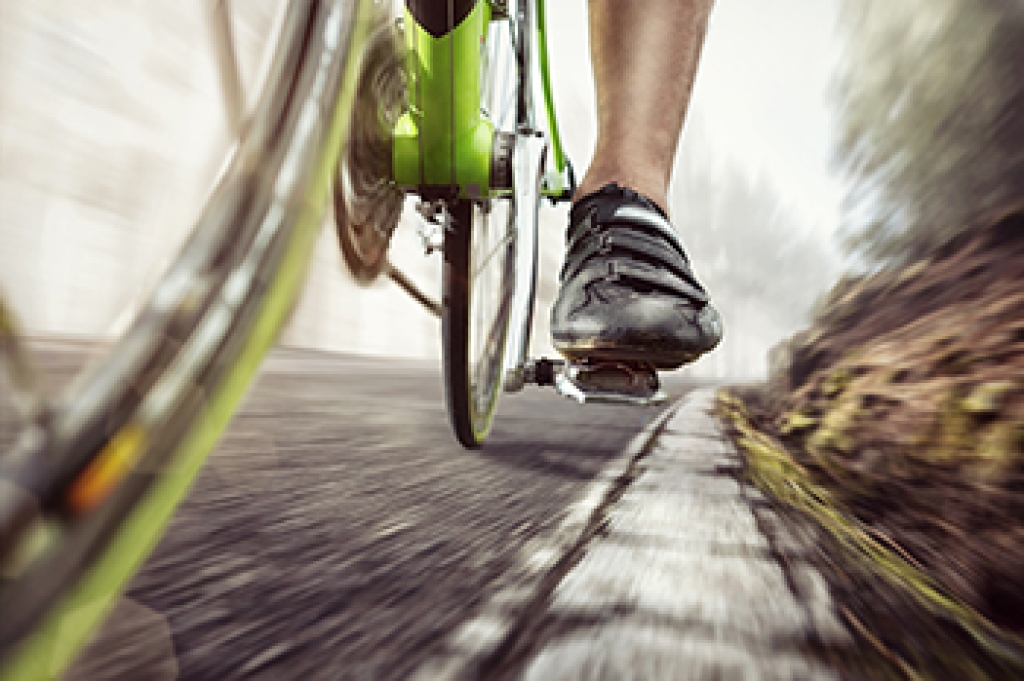
Studies show that a large majority of cyclists experience foot pain. While cycling, a great deal of force is generated through the legs, to the feet, and onto the pedals. This can cause burning pain, numbness, and sharp pain in the soles of the feet. The reason for these symptoms is thought to be a result of the nerves between the metatarsal bones coming into contact with the rider’s cleats. If the ride is long, the weather warm, and the shoe inflexible, the pain can become even worse. Experts recommend that one way to help alleviate this type of pain from cycling is to wear different shoes. Wider shoes with looser straps can increase the range of motion in the feet. In contrast, stiffer shoes, while thought to preserve energy, can also increase hot spots and swelling. For help with selecting the proper footwear for cycling or other options for foot pain that cycling may cause, please consult a podiatrist.

Sports related foot and ankle injuries require proper treatment before players can go back to their regular routines. For more information, contact Emil Babayev, DPM of New York. Our doctor can provide the care you need to keep you pain-free and on your feet.

Sports Related Foot and Ankle Injuries

Foot and ankle injuries are a common occurrence when it comes to athletes of any sport. While many athletes dismiss the initial aches and pains, the truth is that ignoring potential foot and ankle injuries can lead to serious problems. As athletes continue to place pressure and strain the area further, a mild injury can turn into something as serious as a rupture and may lead to a permanent disability. There are many factors that contribute to sports related foot and ankle injuries, which include failure to warm up properly, not providing support or wearing bad footwear. Common injuries and conditions athletes face, including:

  • Plantar Fasciitis
  • Achilles Tendinitis
  • Achilles Tendon Rupture
  • Ankle Sprains

Sports related injuries are commonly treated using the RICE method. This includes rest, applying ice to the injured area, compression and elevating the ankle. More serious sprains and injuries may require surgery, which could include arthroscopic and reconstructive surgery. Rehabilitation and therapy may also be required in order to get any recovering athlete to become fully functional again. Any unusual aches and pains an athlete sustains must be evaluated by a licensed, reputable medical professional.

If you have any questions please contact our offices located in Midwood and Kensington in Brooklyn, NY . We offer the newest diagnostic and treatment technologies for all your foot and ankle needs.
Read more about Sports Related Foot And Ankle Injuries

We Can Treat Your Foot or Ankle Pain

Foot or ankle pain can negatively affect your day-to-day life and can occur due to several different conditions. Pain can also be an indicator of a more serious underlying condition, which is why you should seek professional help as soon as you notice any abnormalities in your feet.

Possible Relief Methods for Plantar Fasciitis

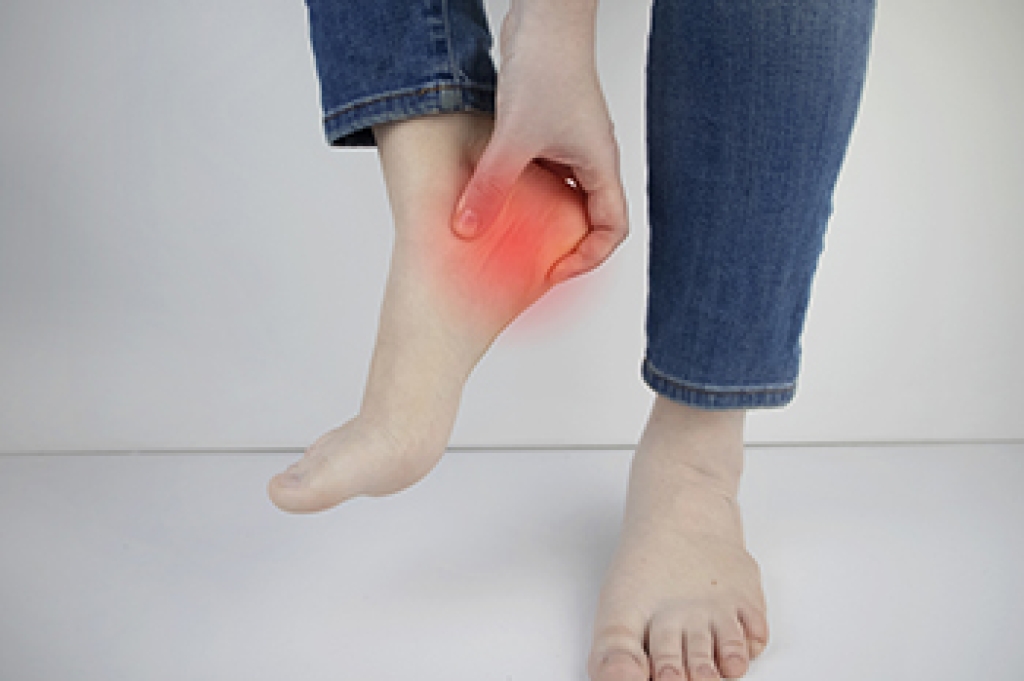
Many athletes suffer from a foot condition that is known as plantar fasciitis. It is a common ailment that comes from the repetitive force while participating in running and jumping activities. It may also affect people who wear shoes that do not fit correctly, or who have an abnormal foot structure. Additionally, it may happen to people who stand on hard surfaces for most of the day, or increase speed and distance too quickly while running. Plantar fasciitis happens as a result of an inflammation of the plantar fascia, which is the band of tissue that is found on the sole of the foot. It connects the heel to the toes, and an injury or a tear to the plantar fascia may result in the development of this condition. Heel pain is a common symptom of plantar fasciitis, and it may be worse in the morning after arising. Relief may be found when weight is kept off of the affected foot, and is frequently elevated while resting. Some patients have found success when specific stretches are done, and this may help to accelerate healing. If you have heel pain, it is strongly advised that you are under the care of a podiatrist who can properly diagnose and treat plantar fasciitis. 

Plantar fasciitis can be very painful and inconvenient. If you are experiencing heel pain or symptoms of plantar fasciitis, contact Emil Babayev, DPM  from New York. Our doctor can provide the care you need to keep you pain-free and on your feet.

What Is Plantar Fasciitis?

Plantar fasciitis is the inflammation of the thick band of tissue that runs along the bottom of your foot, known as the plantar fascia, and causes mild to severe heel pain.

What Causes Plantar Fasciitis?

  • Excessive running
  • Non-supportive shoes
  • Overpronation
  • Repeated stretching and tearing of the plantar fascia

How Can It Be Treated?

  • Conservative measures – anti-inflammatories, ice packs, stretching exercises, physical therapy, orthotic devices
  • Shockwave therapy – sound waves are sent to the affected area to facilitate healing and are usually used for chronic cases of plantar fasciitis
  • Surgery – usually only used as a last resort when all else fails. The plantar fascia can be surgically detached from the heel

While very treatable, plantar fasciitis is definitely not something that should be ignored. Especially in severe cases, speaking to your doctor right away is highly recommended to avoid complications and severe heel pain. Your podiatrist can work with you to provide the appropriate treatment options tailored to your condition.

If you have any questions, please feel free to contact our offices located in Midwood and Kensington in Brooklyn, NY . We offer the newest diagnostic and treatment technologies for all your foot care needs.

Read more about Plantar Fasciitis

Does Your Child Have Athlete’s Foot?

Taking care of your toddler’s feet and helping them maintain proper foot health is one of the most important things that a parent can do. Caring for your toddler’s feet ensures that they can support your child as the child grows older. One important foot affliction to be on the lookout for in your child is known as athlete’s foot. Athlete’s foot is a fungal infection that can cause a red rash on the feet. Athlete’s foot is often spread between children in damp, warm, public places where children may walk around barefoot. For example, you might encourage your children not to walk around barefoot in their school’s gymnasium. Often, a case of athlete’s foot may be spread on the sides of public pools. Children will demonstrate blisters and red skin when they are affected by athlete’s foot. If you care about maintaining the health of your children, start by protecting against athlete’s foot. See a podiatrist for more information.

Athlete’s foot is an inconvenient condition that can be easily reduced with the proper treatment. If you have any concerns about your feet and ankles, contact Emil Babayev, DPM from New York.  Our doctor will treat your foot and ankle needs.

Athlete’s Foot: The Sole Story

Athlete's foot, also known as tinea pedis, can be an extremely contagious foot infection. It is commonly contracted in public changing areas and bathrooms, dormitory style living quarters, around locker rooms and public swimming pools, or anywhere your feet often come into contact with other people.

Solutions to Combat Athlete’s Foot

  • Hydrate your feet by using lotion
  • Exfoliate
  • Buff off nails
  • Use of anti-fungal products
  • Examine your feet and visit your doctor if any suspicious blisters or cuts develop

Athlete’s foot can cause many irritating symptoms such as dry and flaking skin, itching, and redness. Some more severe symptoms can include bleeding and cracked skin, intense itching and burning, and even pain when walking. In the worst cases, Athlete’s foot can cause blistering as well. Speak to your podiatrist for a better understanding of the different causes of Athlete’s foot, as well as help in determining which treatment options are best for you.

If you have any questions please feel free to contact our offices located in Midwood and Kensington in Brooklyn, NY . We offer the newest diagnostic and treatment technologies for all your foot and ankle needs.
Read more about Athlete's Foot

Connect With Us

scroll-to-top