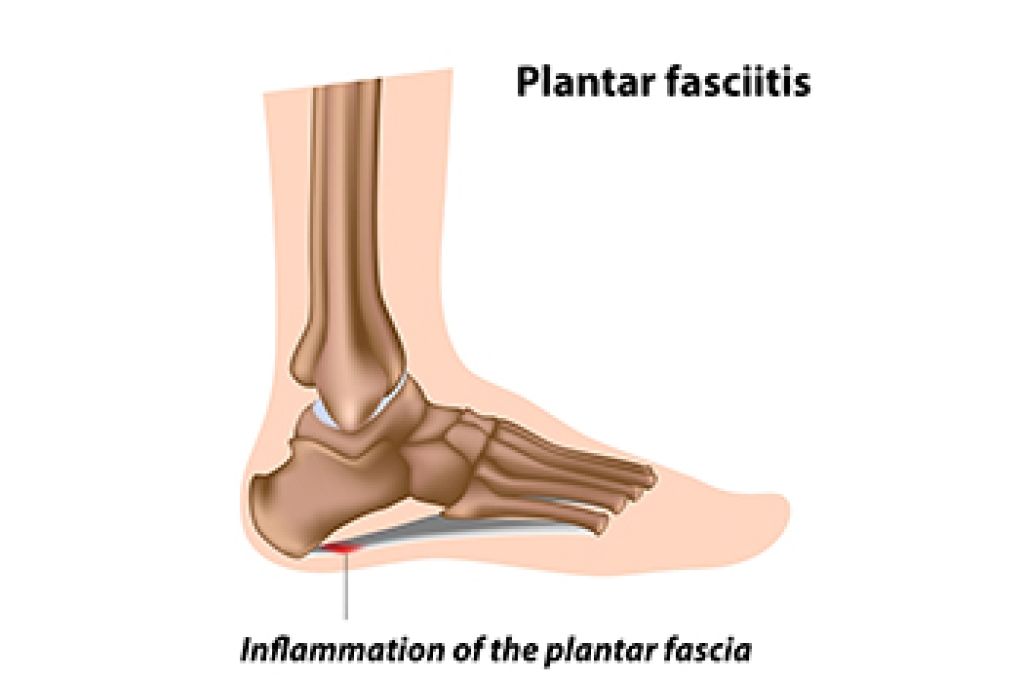
Plantar Fasciitis and Driving

Plantar fasciitis is an extremely common type of heel pain that can develop in an individual when the plantar fascia, a band of tissue in the arch of the foot, becomes inflamed. Many different physical activities can cause plantar fasciitis. One of these overlooked causes can be driving repeatedly. Someone who is constantly driving may be increasing their susceptibility to plantar fasciitis in their right foot because this foot is needed to constantly press on and off of the gas and brake pedals. This repeated flexing of the foot is known as plantar flexion, and may exacerbate your plantar fasciitis. If you are an excessive driver, there are steps that you might consider taking to mitigate your foot condition. For example, you might be intentional about taking several breaks during car rides so that you may fully stretch your feet and legs. Contact a podiatrist today for more information.

Plantar fasciitis can be very painful and inconvenient. If you are experiencing heel pain or symptoms of plantar fasciitis, contact Emil Babayev, DPM  from New York. Our doctor can provide the care you need to keep you pain-free and on your feet.

What Is Plantar Fasciitis?

Plantar fasciitis is the inflammation of the thick band of tissue that runs along the bottom of your foot, known as the plantar fascia, and causes mild to severe heel pain.

What Causes Plantar Fasciitis?

  • Excessive running
  • Non-supportive shoes
  • Overpronation
  • Repeated stretching and tearing of the plantar fascia

How Can It Be Treated?

  • Conservative measures – anti-inflammatories, ice packs, stretching exercises, physical therapy, orthotic devices
  • Shockwave therapy – sound waves are sent to the affected area to facilitate healing and are usually used for chronic cases of plantar fasciitis
  • Surgery – usually only used as a last resort when all else fails. The plantar fascia can be surgically detached from the heel

While very treatable, plantar fasciitis is definitely not something that should be ignored. Especially in severe cases, speaking to your doctor right away is highly recommended to avoid complications and severe heel pain. Your podiatrist can work with you to provide the appropriate treatment options tailored to your condition.

If you have any questions, please feel free to contact our offices located in Midwood and Kensington in Brooklyn, NY . We offer the newest diagnostic and treatment technologies for all your foot care needs.

Read more about Plantar Fasciitis

Let the Expert Treat Your Ingrown Toenails

Ingrown toenails can be painful and can make wearing shoes or walking uncomfortable. Seek professional help if you believe you've developed an ingrown toenail and be treated safely. 

Arch Pain May Indicate Various Foot Conditions

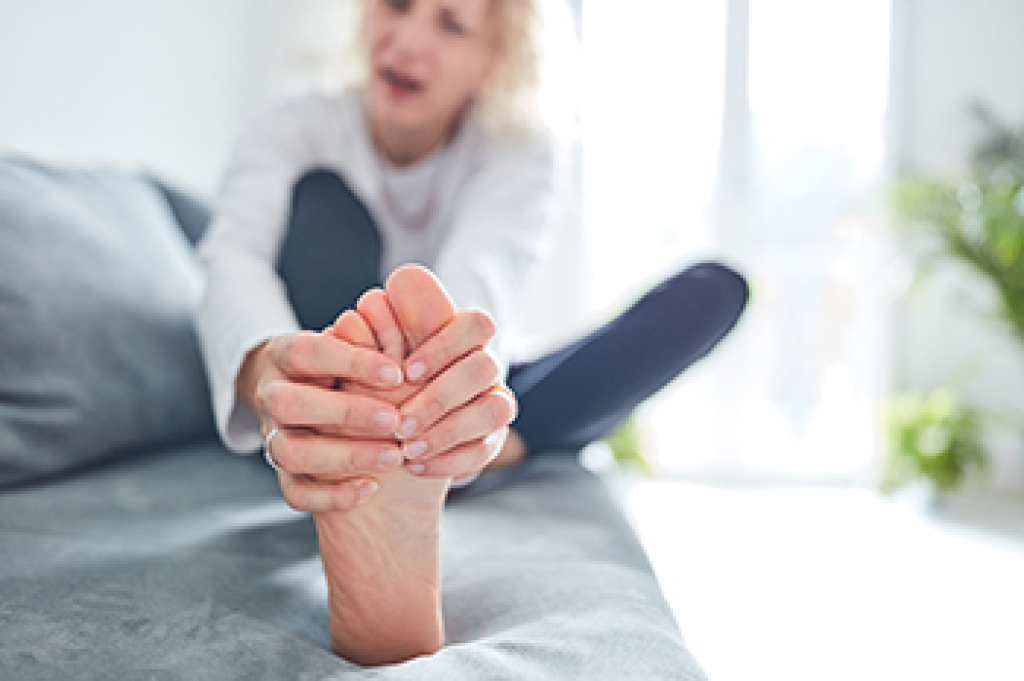
Patients who have pain in the arch of their foot may notice it can be difficult to complete daily activities. The arch is responsible for many functions including absorbing shock, balancing, and helping the body to adapt to various surfaces. The pain may radiate to the heel and the ball of the foot, and this may be a result of foot conditions. An abnormal foot structure can cause arch pain, and people who have gained weight or who have undergone extreme physical stress may have pain in this part of their foot. Some of the ailments that are associated with arch pain are plantar fasciitis, heel spurs, and adult-acquired flatfoot. For example, cavus foot can be indicative of having an extremely high arch and may be accompanied by hammertoe and calluses. If you have foot or arch pain for any reason, please consult a podiatrist who can provide a proper diagnosis and offer you effective treatment remedies.

Foot Pain

Foot pain can be extremely painful and debilitating. If you have a foot pain, consult with Emil Babayev, DPM from New York. Our doctor will assess your condition and provide you with quality foot and ankle treatment.

Causes

Foot pain is a very broad condition that could be caused by one or more ailments. The most common include:

  • Bunions
  • Hammertoes
  • Plantar Fasciitis
  • Bone Spurs
  • Corns
  • Tarsal Tunnel Syndrome
  • Ingrown Toenails
  • Arthritis (such as Gout, Rheumatoid, and Osteoarthritis)
  • Flat Feet
  • Injury (from stress fractures, broken toe, foot, ankle, Achilles tendon ruptures, and sprains)
  • And more

Diagnosis

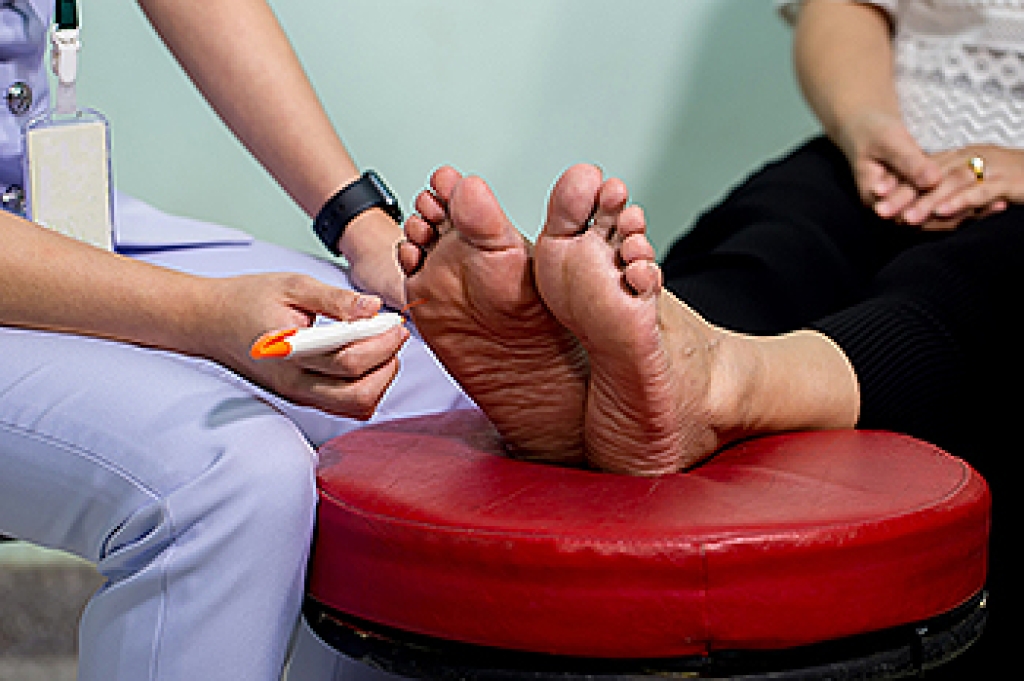
To figure out the cause of foot pain, podiatrists utilize several different methods. This can range from simple visual inspections and sensation tests to X-rays and MRI scans. Prior medical history, family medical history, and any recent physical traumatic events will all be taken into consideration for a proper diagnosis.

Treatment

Treatment depends upon the cause of the foot pain. Whether it is resting, staying off the foot, or having surgery; podiatrists have a number of treatment options available for foot pain.

If you have any questions, please feel free to contact our offices located in Midwood and Kensington in Brooklyn, NY . We offer the newest diagnostic and treatment technologies for all your foot care needs.
Read more about Foot Pain

Effective Foot Care Practices May Help Diabetic Feet

Taking a walk through a park or hiking on a trail may be a normal activity for most people, and the feet are often taken for granted. Diabetic patients may not be able to experience these types of events, and completing everyday tasks may be difficult. This is a result of elevated blood sugar levels which may cause damage to the nerves and blood vessels. People who have diabetes may lose the ability to feel wounds on their feet, and existing cuts may develop into diabetic foot ulcers. It is essential for people who are afflicted with diabetes to take proper care of their feet, and this generally begins with washing and drying the feet daily. The feet will feel more comfortable when shoes that are worn fit properly, and nails are trimmed correctly on a weekly basis. There are diabetic patients who have professions that require work boots to be worn, and it is suggested that two pairs of socks are worn. This may provide additional protection to the toes as they rub against the top of the shoe. It is strongly urged that diabetic patients are under the care of a podiatrist who can treat any existing problems, and offer effective management tips.

Diabetic foot care is important in preventing foot ailments such as ulcers. If you are suffering from diabetes or have any other concerns about your feet, contact Emil Babayev, DPM from New York. Our doctor can provide the care you need to keep you pain-free and on your feet.

Diabetic Foot Care

Diabetes affects millions of people every year. The condition can damage blood vessels in many parts of the body, especially the feet. Because of this, taking care of your feet is essential if you have diabetes, and having a podiatrist help monitor your foot health is highly recommended.

The Importance of Caring for Your Feet

  • Routinely inspect your feet for bruises or sores.
  • Wear socks that fit your feet comfortably.
  • Wear comfortable shoes that provide adequate support.

Patients with diabetes should have their doctor monitor their blood levels, as blood sugar levels play such a huge role in diabetic care. Monitoring these levels on a regular basis is highly advised.

It is always best to inform your healthcare professional of any concerns you may have regarding your feet, especially for diabetic patients. Early treatment and routine foot examinations are keys to maintaining proper health, especially because severe complications can arise if proper treatment is not applied.

If you have any questions, please feel free to contact our offices located in Midwood and Kensington in Brooklyn, NY . We offer the newest diagnostic and treatment technologies for all your foot care needs.
Read more about Diabetic Foot Conditions

Weight Gain May Result in Larger Feet

People who have gained weight may be concerned that their feet have gotten larger. Weight gain generally affects the overall body, and the feet are no exception. They may increase in length and width, and larger shoes often need to be purchased, which may be bothersome to some people. However, the feet will feel better when comfortable shoes are worn. It is suggested that a healthy diet be consumed, which may start the process of weight reduction, including in the feet. Drinking plenty of water daily, and implementing a gentle exercise routine may accelerate the desired weight loss. Additionally, elevating the feet frequently may reduce excess fluid build-up. Research has shown it may be beneficial to purchase running shoes that are larger, which may help to accommodate the size of the feet as a result of increased blood flow while running. If you would like more information about obesity and how it can affect the feet, please confer with a podiatrist. 

Obesity has become very problematic at this point in time and can have extremely negative effects on the feet. If you’re an obese individual and are concerned about your feet, contact Emil Babayev, DPM from New York. Our doctor can provide the care you need to keep you pain-free and on your feet.

Obesity and Your Feet

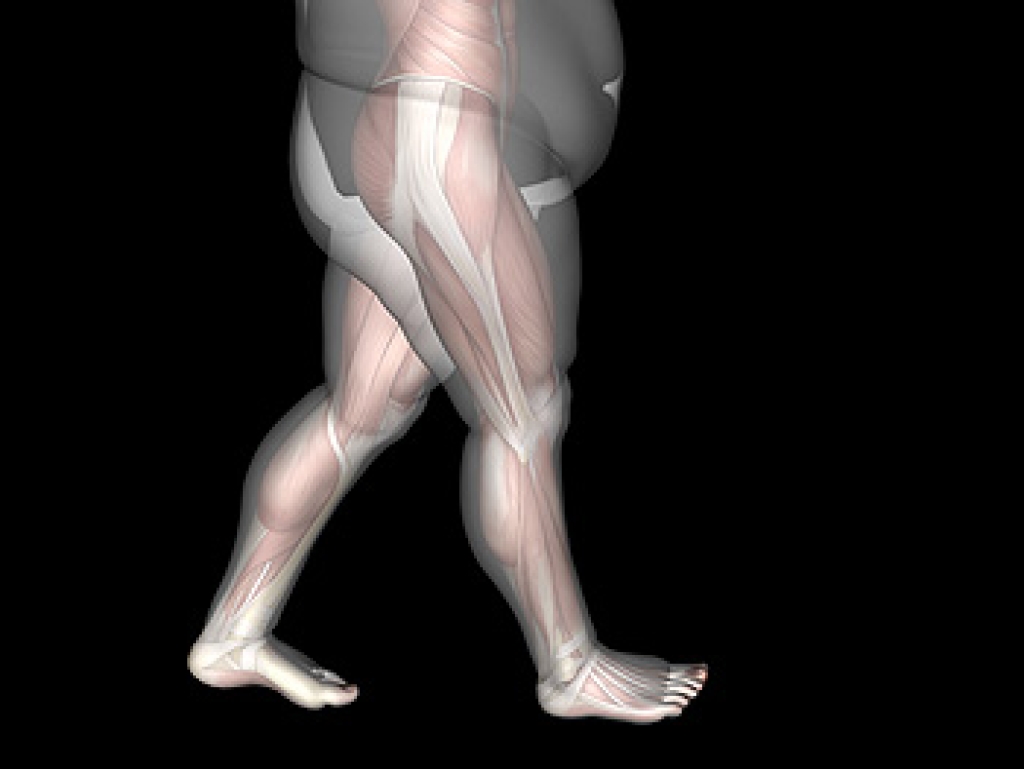
Since your feet are what support your entire weight when standing, any additional weight can result in pain and swelling. Being overweight is one of the main contributors to foot complications.

Problems & Complications

Extra Weight – Even putting on just a few extra pounds could create serious complications for your feet. As your weight increases, your balance and body will shift, creating new stresses on your feet. This uneven weight distribution can cause pain, even while doing the simplest tasks, such as walking.

Diabetes – People who are overweight are at serious risk of developing type-2 diabetes, which has a drastic impact on the health of your feet. As you get older, your diabetes might worsen, which could lead to loss of feeling in your feet, sores, and bruises. You could also become more prone to various infections.

Plantar fasciitis – Pressure and stress that is placed on muscles, joints, and tendons can trigger plantar fasciitis, which is an inflammation of tissue that forms along the bottom of the foot. 

If you have any questions, please feel free to contact our offices located in Midwood and Kensington in Brooklyn, NY . We offer the newest diagnostic and treatment technologies for all your foot care needs.

Read more about How Obesity Affects Your Feet

Connect With Us

scroll-to-top