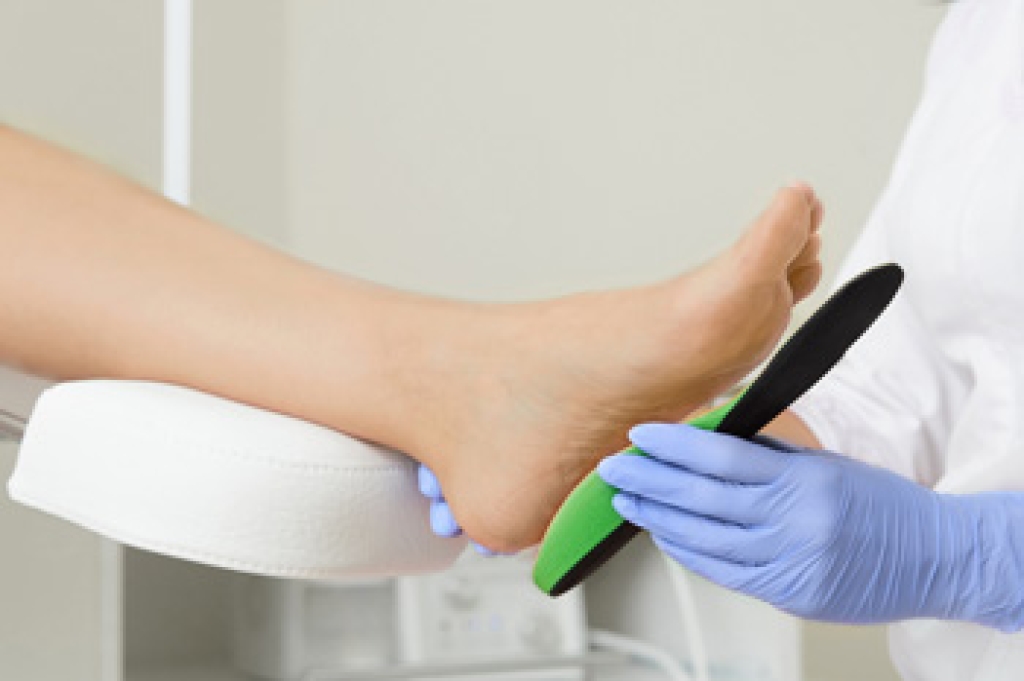
When You May Need Orthotics

Orthotics are shoe inserts that help redistribute pressure, improve gait and posture, and cushion sensitive parts of the feet. The can also help to absorb shock and reduce foot pain. People with certain conditions that can benefit from orthotics include plantar fasciitis, lower limb injuries, flat feet or high arches. Patients with pronation or supination may also find a better distribution of pressure and equilibrium when orthotics are worn. Most people seem to benefit while some kind of orthotic is worn, either custom-made inserts or those that can be purchased over-the-counter. If you would like to know more about this pain-saving device, it is suggested that you visit a podiatrist to see if you are a good candidate for custom orthotics. 

If you are having discomfort in your feet and would like to try orthotics, contact Emil Babayev, DPM from New York. Our doctor can provide the care you need to keep you pain-free and on your feet.

What Are Orthotics?

Orthotics are inserts you can place into your shoes to help with a variety of foot problems such as flat feet or foot pain. Orthotics provide relief and comfort for minor foot and heel pain but can’t correct serious biomechanical problems in your feet.

Over-the-Counter Inserts

Orthotics come in a wide variety of over-the-counter inserts that are used to treat foot pain, heel pain, and minor problems. For example, arch supports can be inserted into your shoes to help correct overarched or flat feet, while gel insoles are often used because they provide comfort and relief from foot and heel pain by alleviating pressure.

Prescription Orthotics

If over-the-counter inserts don’t work for you or if you have a more severe foot concern, it is possible to have your podiatrist prescribe custom orthotics. These high-quality inserts are designed to treat problems such as abnormal motion, plantar fasciitis, and severe forms of heel pain. They can even be used to help patients suffering from diabetes by treating foot ulcers and painful calluses and are usually molded to your feet individually, which allows them to provide full support and comfort.

If you are experiencing minor to severe foot or heel pain, it’s recommended to speak with your podiatrist about the possibilities of using orthotics. A podiatrist can determine which type of orthotic is right for you and allow you to take the first steps towards being pain-free.

If you have any questions, please feel free to contact our offices located in Midwood and Kensington in Brooklyn, NY . We offer the newest diagnostic and treatment technologies for all your foot care needs.
Read more about Ankle Foot Orthotics for Athletes

How Did I Hurt My Achilles Tendon?

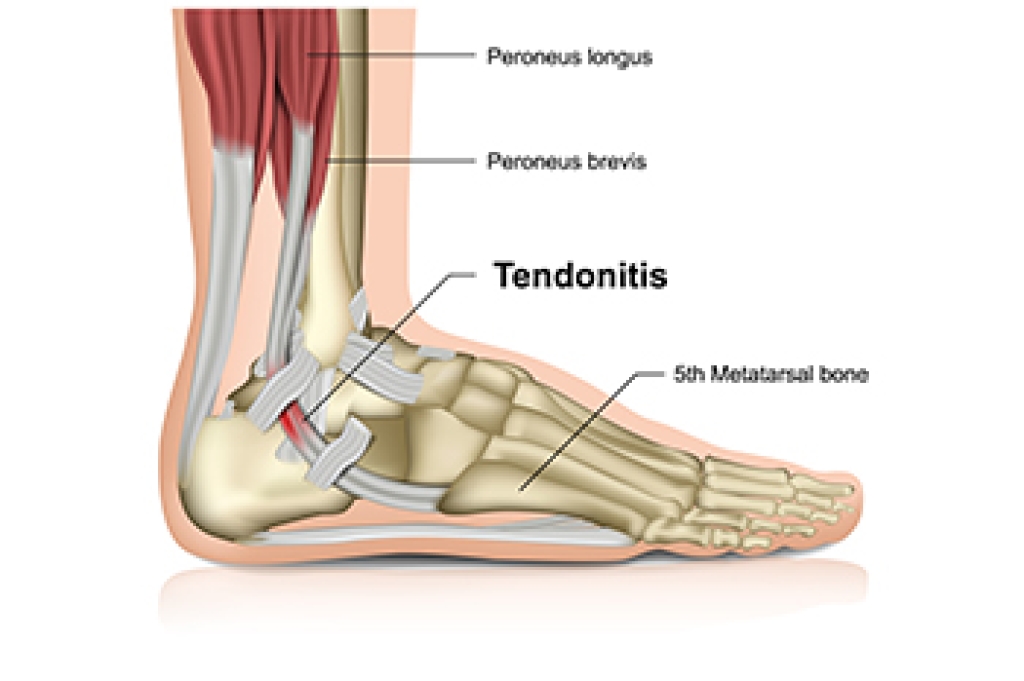
There is no mistaking the discomfort that can happen from enduring an Achilles tendon injury. It is often a sudden, sharp pain that occurs when this tendon becomes torn. It can happen to runners who increase speed and mileage too quickly, often without properly warming up. The Achilles tendon is located in the lower portion of the calf and connects the heel to the calf muscles. This type of injury may also happen while running on hard or uneven surfaces, or if the foot suddenly turns out. In addition to the intense pain this injury can cause, the affected foot may feel stiff in the morning, and is often painful when touched. Treatment often begins by stopping the activity that caused the injury, and a brace or cast may need to temporarily be worn that can provide stability as it heals. If you have had an Achilles tendon injury, it is strongly suggested that you consult with a podiatrist who can guide you toward treatment options that are correct for you.

Achilles tendon injuries need immediate attention to avoid future complications. If you have any concerns, contact Emil Babayev, DPM of New York. Our doctor can provide the care you need to keep you pain-free and on your feet.

What Is the Achilles Tendon?

The Achilles tendon is a tendon that connects the lower leg muscles and calf to the heel of the foot. It is the strongest tendon in the human body and is essential for making movement possible. Because this tendon is such an integral part of the body, any injuries to it can create immense difficulties and should immediately be presented to a doctor.

What Are the Symptoms of an Achilles Tendon Injury?

There are various types of injuries that can affect the Achilles tendon. The two most common injuries are Achilles tendinitis and ruptures of the tendon.

Achilles Tendinitis Symptoms

  • Inflammation
  • Dull to severe pain
  • Increased blood flow to the tendon
  • Thickening of the tendon

Rupture Symptoms

  • Extreme pain and swelling in the foot
  • Total immobility

Treatment and Prevention

Achilles tendon injuries are diagnosed by a thorough physical evaluation, which can include an MRI. Treatment involves rest, physical therapy, and in some cases, surgery. However, various preventative measures can be taken to avoid these injuries, such as:

  • Thorough stretching of the tendon before and after exercise
  • Strengthening exercises like calf raises, squats, leg curls, leg extensions, leg raises, lunges, and leg presses

If you have any questions please feel free to contact our offices located in Midwood and Kensington in Brooklyn, NY . We offer the newest diagnostic tools and technology to treat your foot and ankle needs.

Read more about Achilles Tendon Injuries

Do You Suffer From Painful Feet?

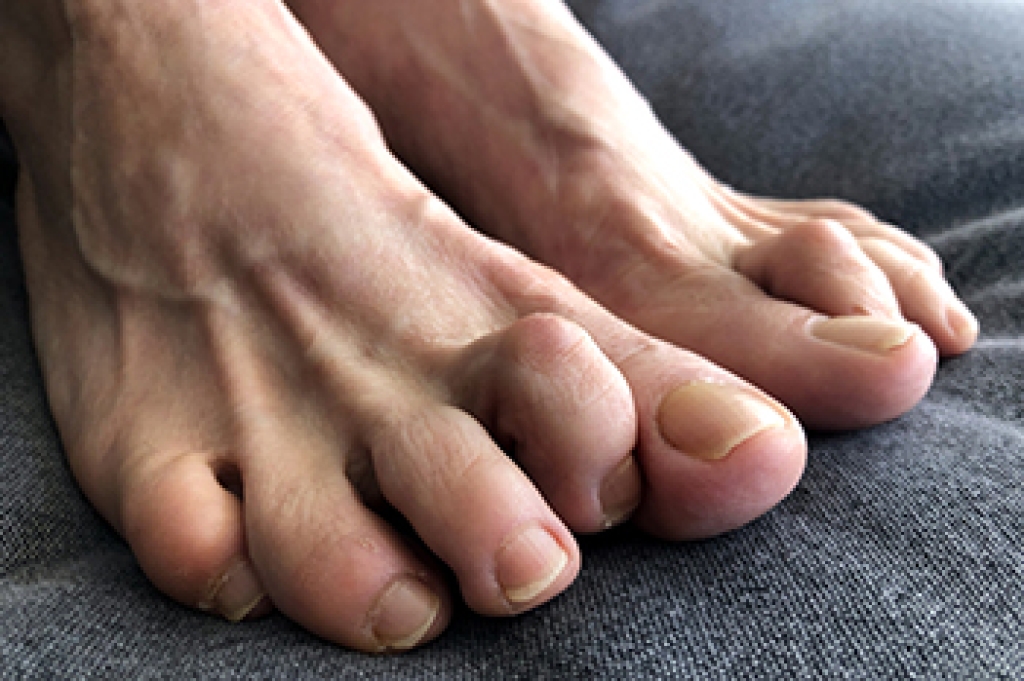
Painful deformities, such as hammertoes, can be treated. Stop living with foot pain, and have beautiful feet again!

Problems Caused by Tight Shoes

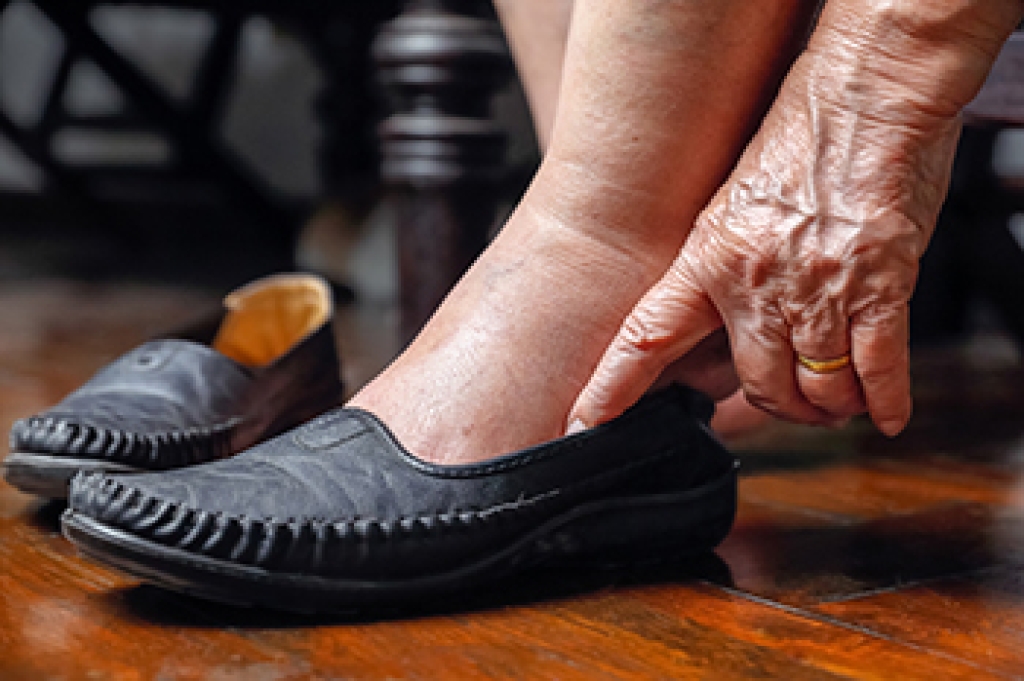
Wearing shoes that are too tight can either cause foot conditions or make existing problems more painful. For that reason, being aware of a proper fit when buying shoes for any reason is important, especially in this era of online shopping. Among the many foot problems related to wearing tight shoes are bunions, corns, hammertoes, and ingrown toenails. When purchasing shoes, measure your feet properly beforehand to have both the correct length and width. Be sure that your foot does not feel pinched or cramped within the shoe, in addition to ensuring the toes are not being squeezed together. The structure and materials of the shoe itself are as important as its appearance. The width and depth of the toe box should allow ample room for the toes to move freely in, and the heel should slip easily into the back of the shoe. Check for adequate support and cushioning, particularly if you have bunions, hammertoes, or flat feet. When you try on the shoes, it is beneficial to wear the foot coverings you would have on while wearing them. If you are having difficulty finding the proper shoes to fit your feet, it is suggested that you consult a podiatrist for more information. 

Finding a properly-fitting shoe is important in reducing injuries and preventing foot problems. For more information about treatment, contact Emil Babayev, DPM from New York. Our doctor will treat your foot and ankle needs.

Proper Shoe Fitting

A common concern when it comes to foot health, having properly fitted shoes can help prevent injuries to the foot. Out feet affect our posture and gait, which in turn affects the biomechanics and overall bodily structure. With 33 joints, 26 bones, and over 100 ligaments, the potential for serious injury is much greater than one realizes. Although the feet cease growth in adulthood, they still change shape as they mature. Here are some factors to consider when it comes to investing in proper fitting shoes:

  • Be sure the shoes fit correctly right away
  • Ensure the ball of your foot fits comfortably in the widest portion of the shoes
  • Even though they may look fashionable, improper fitting shoes can either create adverse conditions or exacerbate existing ones you may already have
  • Walk along a carpeted surface to ensure the shoes comfortably fit during normal activity

Keeping in mind how shoes fit the biomechanics of your body, properly-fitting shoes are vitally important. Fortunately, it is not difficult to acquire footwear that fits correctly. Be sure to wear shoes that support the overall structure of your body. Do your feet a favor and invest in several pairs of well-fitted shoes today.

If you have any questions, please feel free to contact our offices located in Midwood and Kensington in Brooklyn, NY . We offer the newest diagnostic and treatment technologies for all your foot care needs.
Read more about Proper Shoe Fitting

Causes and Treatment of Hammertoe

An abnormal bend in the middle joint of a toe is a sign of hammertoe, a deformity caused by a weakening of the muscles, tissue, and tendon in the joint. A hammertoe also can be the result of arthritis or a genetic predisposition to joint problems. Trauma, injury, or improper footwear may also be factors in the formation of a hammertoe. Symptoms include pain when flexing the toe or wearing shoes. The toe may also become reddened. In many cases of hammertoe, a corn or callus develops on the raised portion of the joint as it rubs against the inside of a shoe. When trying to determine the best way to deal with a hammertoe, a podiatrist may take X-rays to determine the toe’s current bone and ligament structure. In some cases, taping and padding of the toe can reduce painful effects. Anti-inflammatory or cortisone injections also can lessen the discomfort in some cases. Orthotic devices and surgery are other options for hammertoe treatment. For more information on dealing with a hammertoe deformity, it is suggested that you make an appointment with a podiatrist.

Hammertoe

Hammertoes can be a painful condition to live with. For more information, contact Emil Babayev, DPM from New York. Our doctor will answer any of your foot- and ankle-related questions.

Hammertoe is a foot deformity that affects the joints of the second, third, fourth, or fifth toes of your feet. It is a painful foot condition in which these toes curl and arch up, which can often lead to pain when wearing footwear.

Symptoms

  • Pain in the affected toes
  • Development of corns or calluses due to friction
  • Inflammation
  • Redness
  • Contracture of the toes

Causes

Genetics – People who are genetically predisposed to hammertoe are often more susceptible

Arthritis – Because arthritis affects the joints in your toes, further deformities stemming from arthritis can occur

Trauma – Direct trauma to the toes could potentially lead to hammertoe

Ill-fitting shoes – Undue pressure on the front of the toes from ill-fitting shoes can potentially lead to the development of hammertoe

Treatment

Orthotics – Custom made inserts can be used to help relieve pressure placed on the toes and therefore relieve some of the pain associated with it

Medications – Oral medications such as anti-inflammatories or NSAIDs could be used to treat the pain and inflammation hammertoes causes. Injections of corticosteroids are also sometimes used

Surgery – In more severe cases where the hammertoes have become more rigid, foot surgery is a potential option

If you have any questions, please feel free to contact our offices located in Midwood and Kensington in Brooklyn, NY . We offer the newest diagnostic and treatment technologies for all your foot care needs.
Read more about What Are Hammertoes?

Connect With Us

scroll-to-top