Non-Diabetes-Related Foot Ulcers

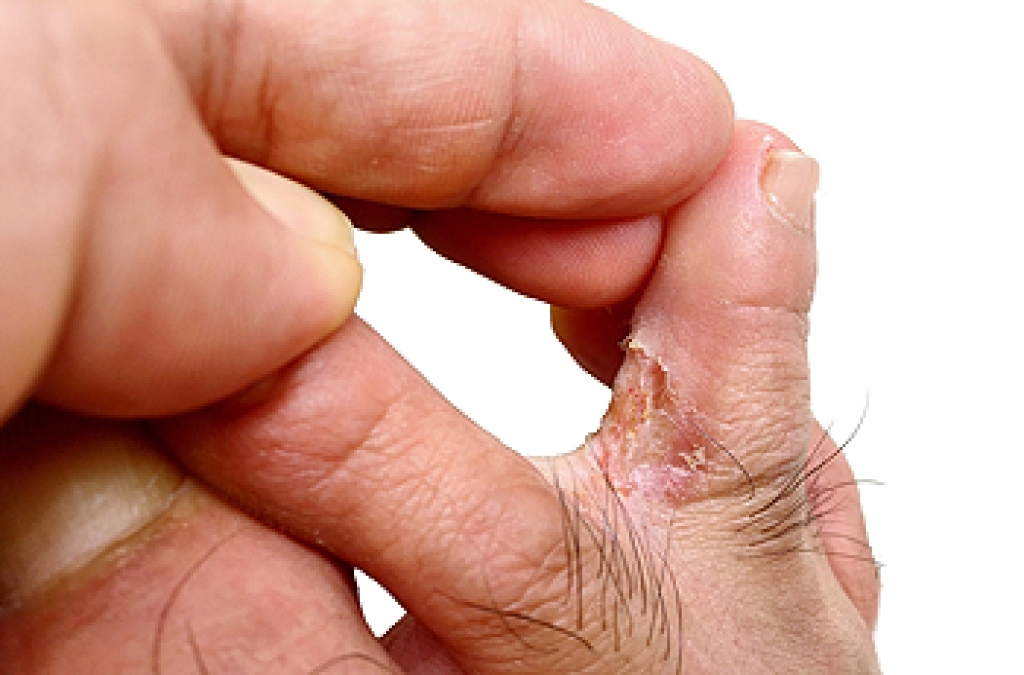
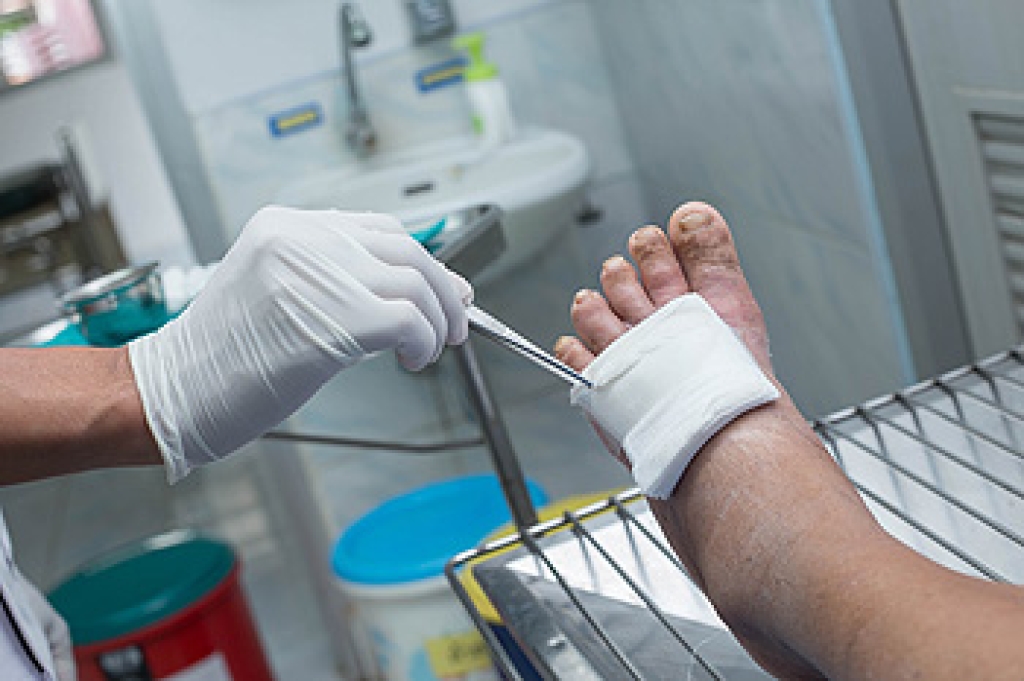
A non-diabetes-related foot ulcer is an open sore on the foot that develops from factors other than diabetes. These ulcers often form due to poor circulation, pressure, trauma, or underlying skin conditions. Common causes include arterial disease, venous insufficiency, friction from footwear, and repetitive stress. Types of non diabetes related ulcers may include arterial ulcers, venous ulcers, and pressure ulcers, each affecting the foot in different ways. Symptoms can include slow healing wounds, drainage, redness, pain, or skin breakdown. A podiatrist can identify the type and cause of the ulcer, provide proper wound care, improve pressure distribution, and help prevent infection or further tissue damage. If you notice a sore on your foot that does not heal or worsens over time, it is strongly suggested that you schedule an appointment with a podiatrist for an evaluation and expert care.

Wound care is an important part in dealing with diabetes. If you have diabetes and a foot wound or would like more information about wound care for diabetics, consult with Emil Babayev, DPM from New York. Our doctor will assess your condition and provide you with quality foot and ankle treatment.

What Is Wound Care?

Wound care is the practice of taking proper care of a wound. This can range from the smallest to the largest of wounds. While everyone can benefit from proper wound care, it is much more important for diabetics. Diabetics often suffer from poor blood circulation which causes wounds to heal much slower than they would in a non-diabetic. 

What Is the Importance of Wound Care?

While it may not seem apparent with small ulcers on the foot, for diabetics, any size ulcer can become infected. Diabetics often also suffer from neuropathy, or nerve loss. This means they might not even feel when they have an ulcer on their foot. If the wound becomes severely infected, amputation may be necessary. Therefore, it is of the upmost importance to properly care for any and all foot wounds.

How to Care for Wounds

The best way to care for foot wounds is to prevent them. For diabetics, this means daily inspections of the feet for any signs of abnormalities or ulcers. It is also recommended to see a podiatrist several times a year for a foot inspection. If you do have an ulcer, run the wound under water to clear dirt from the wound; then apply antibiotic ointment to the wound and cover with a bandage. Bandages should be changed daily and keeping pressure off the wound is smart. It is advised to see a podiatrist, who can keep an eye on it.

If you have any questions please contact our offices located in Midwood and Kensington in Brooklyn, NY . We offer the newest diagnostic and treatment technologies for all your foot and ankle needs.


Read more about Wound Care

Comfortable Shoes for Employees Across All Professions

Wearing comfortable shoes is essential for employees in all professions, whether work involves standing, walking, or sitting for long periods of time. Proper footwear supports the feet, promotes good posture, and helps reduce strain on the joints and lower back. When shoes feel comfortable and sensible, employees are more likely to stay focused, energized, and productive throughout the day. Uncomfortable footwear can lead to fatigue, pain, and decreased performance over time. Comfortable shoes should offer supportive cushioning, stable soles, and a proper fit that allows natural movement. A podiatrist can help evaluate foot health, recommend appropriate footwear, and provide custom orthotics, when needed. If you have foot pain during your work day, it is suggested that you consult a podiatrist who can treat various foot conditions, and guide you on appropriate shoes to wear while working.


While working on the feet, it is important to take the proper care of them. For more information about working on your feet, contact Emil Babayev, DPM from New York. Our doctor will treat your foot and ankle needs.

Working on Your Feet

Standing on your feet for long periods of time can cause stress and pain in your feet. Your whole body may experience change in terms of posture, back pain, bunions, callouses and or plantar warts. There are ways to avoid these conditions with proper foot care, smart choices and correct posture.

Positive Changes

Negative heeled shoe – Choosing this shoe type places the heel slightly lower than the ball of the foot. These are great for overall foot health. Find shoes that fit you correctly.

Go barefoot – Our feet were not designed to be enclosed for all hours of the day. Try to periodically expose your feet to air.

Eliminate Pain

Foot Exercises – Performing simple exercises, incorporating yoga and doing stretches are beneficial. This will allow increased blood flow to the area and muscles of the foot.

Achilles tendon – Stretching the foot out flat on the floor will relax the calf muscles and tendon. These exercises can be performed almost anywhere. Make sure you add these exercises to your daily regimen. 

With a little bit of this information and knowing more about foot health, you will notice changes. Foot stretches and proper footwear will help with pain and prevent further issues.

If you have any questions please contact our offices located in Midwood and Kensington in Brooklyn, NY . We offer the newest diagnostic and treatment technologies for all your foot and ankle needs.
Read more about Working on Your Feet

Heel Pain in the Morning?

Heel pain can negatively affect your day-to-day life. Simple activities like walking can become incredibly uncomfortable or painful due to heel pain.

Don’t live with heel pain and get treated.

Common Sources of Foot Pain

Foot pain can develop from many sources, especially when the structures of the feet are placed under long-term stress. Heel and arch pain often stems from strain on the plantar fascia, while irritation of the Achilles tendon can affect the back of the ankle. Metatarsalgia, or pain under the ball of the foot, is usually caused by excess pressure from shoes with inadequate support, high heels, or conditions that strain the ligaments in this area. Nerve problems like Morton’s neuroma can create burning or tingling near the toes, and arthritis can affect the many joints of the feet, leading to stiffness and swelling. Bunions and hammertoes may develop when the toes are pushed out of alignment by tight or narrow shoes. A podiatrist can provide a diagnosis and recommend treatment that addresses the source of the problem. If you are experiencing foot pain, it is suggested that you make an appointment with a podiatrist for an exam and treatment.

Foot Pain

Foot pain can be extremely painful and debilitating. If you have a foot pain, consult with Emil Babayev, DPM from New York. Our doctor will assess your condition and provide you with quality foot and ankle treatment.

Causes

Foot pain is a very broad condition that could be caused by one or more ailments. The most common include:

  • Bunions
  • Hammertoes
  • Plantar Fasciitis
  • Bone Spurs
  • Corns
  • Tarsal Tunnel Syndrome
  • Ingrown Toenails
  • Arthritis (such as Gout, Rheumatoid, and Osteoarthritis)
  • Flat Feet
  • Injury (from stress fractures, broken toe, foot, ankle, Achilles tendon ruptures, and sprains)
  • And more

Diagnosis

To figure out the cause of foot pain, podiatrists utilize several different methods. This can range from simple visual inspections and sensation tests to X-rays and MRI scans. Prior medical history, family medical history, and any recent physical traumatic events will all be taken into consideration for a proper diagnosis.

Treatment

Treatment depends upon the cause of the foot pain. Whether it is resting, staying off the foot, or having surgery; podiatrists have a number of treatment options available for foot pain.

If you have any questions, please feel free to contact our offices located in Midwood and Kensington in Brooklyn, NY . We offer the newest diagnostic and treatment technologies for all your foot care needs.

Read more about Foot Pain

Types of Athlete’s Foot

Athlete’s foot is a common fungal infection that affects the skin of the feet and thrives in warm moist environments. One type of athlete's foot is interdigital athlete’s foot, which develops between the toes causing redness, itching, peeling skin and burning discomfort. Moccasin-type athlete’s foot involves the soles and sides of the feet leading to dry thickened cracked skin that can spread slowly. Vesicular athlete’s foot has fluid-filled blisters often accompanied by intense itching and inflammation. Additionally, ulcerative athlete’s foot is the most severe form and may cause open sores, swelling, pain and secondary bacterial infection. A podiatrist can properly diagnose the specific type and provide targeted treatment. Included are prescription antifungal medication, skin care guidance, and preventive strategies. If you have symptoms of athlete’s foot, it is suggested that you consult a podiatrist who can make a proper diagnosis and provide treatment.

Athlete’s Foot

Athlete’s foot is often an uncomfortable condition to experience. Thankfully, podiatrists specialize in treating athlete’s foot and offer the best treatment options. If you have any questions about athlete’s foot, consult with Emil Babayev, DPM from New York. Our doctor will assess your condition and provide you with quality treatment.

What Is Athlete’s Foot?

Tinea pedis, more commonly known as athlete’s foot, is a non-serious and common fungal infection of the foot. Athlete’s foot is contagious and can be contracted by touching someone who has it or infected surfaces. The most common places contaminated by it are public showers, locker rooms, and swimming pools. Once contracted, it grows on feet that are left inside moist, dark, and warm shoes and socks.

Prevention

The most effective ways to prevent athlete’s foot include:

  • Thoroughly washing and drying feet
  • Avoid going barefoot in locker rooms and public showers
  • Using shower shoes in public showers
  • Wearing socks that allow the feet to breathe
  • Changing socks and shoes frequently if you sweat a lot

Symptoms

Athlete’s foot initially occurs as a rash between the toes. However, if left undiagnosed, it can spread to the sides and bottom of the feet, toenails, and if touched by hand, the hands themselves. Symptoms include:

  • Redness
  • Burning
  • Itching
  • Scaly and peeling skin

Diagnosis and Treatment

Diagnosis is quick and easy. Skin samples will be taken and either viewed under a microscope or sent to a lab for testing. Sometimes, a podiatrist can diagnose it based on simply looking at it. Once confirmed, treatment options include oral and topical antifungal medications.

If you have any questions, please feel free to contact our offices located in Midwood and Kensington in Brooklyn, NY . We offer the newest diagnostic and treatment technologies for all your foot care needs.

Read more about How to Deal with Athlete's Foot

Connect With Us

scroll-to-top