Symptoms and Diagnosis of Achilles Tendonitis

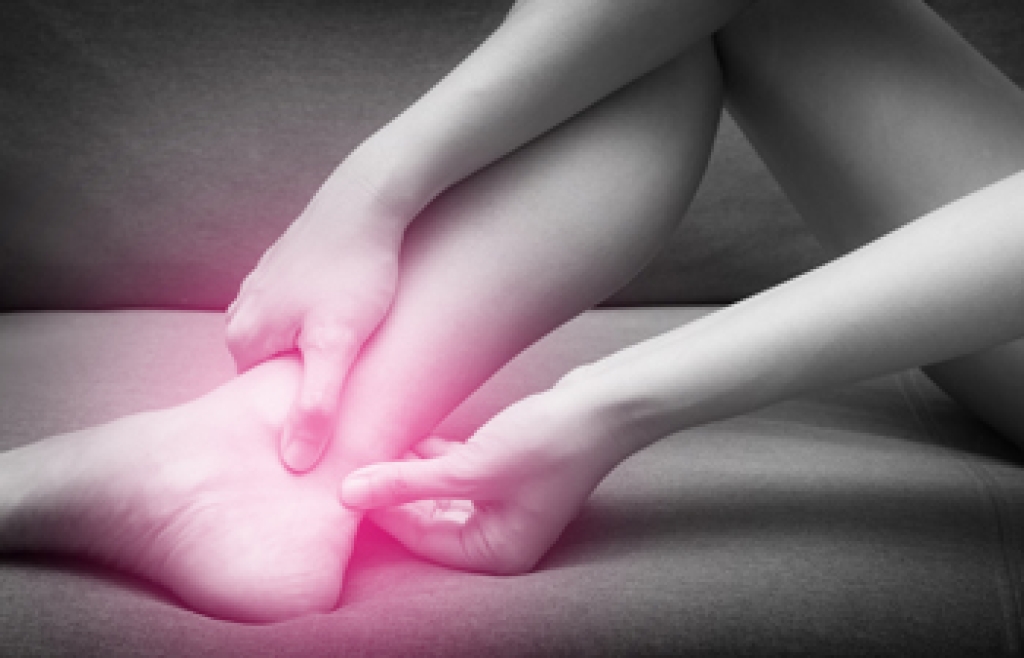
Achilles tendonitis is an overuse injury that begins as a mild ache in the back of the leg or above the heel after running or other sporting activity. A key symptom of Achilles tendonitis is the sensation of pain, primarily felt in the calf muscles and extending down to the ankle. Stiffness in the calf muscles from this condition can limit the flexibility of the foot and make simple movements challenging. In some cases, bumps or nodules may form around the tendon, which can also be tender to the touch. In addition, the ankle joint may begin to swell. A podiatrist may use several diagnostic techniques to confirm the presence of the Achilles tendonitis. X-rays are typically the initial step to rule out other potential causes, but they cannot provide a direct view of the tendon. Ultrasound imaging is extremely beneficial, as it offers clear, real-time visuals of the tendon's internal structure. In severe cases, or when surgical intervention is under consideration, an MRI test is conducted to produce detailed images of the tendon's condition. Projection radiography is sometimes used to identify calcification deposits within the tendon, which can be responsible for up to 60 percent of Achilles tendonitis cases. If you suspect you may be suffering from Achilles tendonitis, it is suggested that you make an appointment with a podiatrist for an exam and suggestions on effective treatment methods.

Achilles tendon injuries need immediate attention to avoid future complications. If you have any concerns, contact Emil Babayev, DPM of New York. Our doctor can provide the care you need to keep you pain-free and on your feet.

What Is the Achilles Tendon?

The Achilles tendon is a tendon that connects the lower leg muscles and calf to the heel of the foot. It is the strongest tendon in the human body and is essential for making movement possible. Because this tendon is such an integral part of the body, any injuries to it can create immense difficulties and should immediately be presented to a doctor.

What Are the Symptoms of an Achilles Tendon Injury?

There are various types of injuries that can affect the Achilles tendon. The two most common injuries are Achilles tendinitis and ruptures of the tendon.

Achilles Tendinitis Symptoms

  • Inflammation
  • Dull to severe pain
  • Increased blood flow to the tendon
  • Thickening of the tendon

Rupture Symptoms

  • Extreme pain and swelling in the foot
  • Total immobility

Treatment and Prevention

Achilles tendon injuries are diagnosed by a thorough physical evaluation, which can include an MRI. Treatment involves rest, physical therapy, and in some cases, surgery. However, various preventative measures can be taken to avoid these injuries, such as:

  • Thorough stretching of the tendon before and after exercise
  • Strengthening exercises like calf raises, squats, leg curls, leg extensions, leg raises, lunges, and leg presses

If you have any questions please feel free to contact our offices located in Midwood and Kensington in Brooklyn, NY . We offer the newest diagnostic tools and technology to treat your foot and ankle needs.

Read more about What are Achilles Tendon Injuries

Everyday Foot Care Tips for Healthy Feet

Our feet bear the brunt of our daily activities, making everyday foot care an essential part of maintaining overall well-being. There are several practical tips to ensure your feet stay healthy and pain-free. These can begin with washing your feet daily, ensuring to dry thoroughly, especially between the toes. Keeping your toenails trimmed straight across and not too short may help to prevent ingrown toenails. Choose comfortable, well-fitting shoes that provide proper arch support and cushioning. Additionally, it is beneficial to alternate your shoes to give them time to air out, reducing the risk of foot odor and fungal infections. Regularly moisturize your feet to prevent dry, cracked skin. Performing regular foot stretches and massages can help improve circulation and relieve tension. Be mindful of foot pain or discomfort, as early intervention can prevent more significant issues. Lastly, maintaining a healthy weight and staying active can reduce the strain on your feet. If you would like to have more information about everyday foot care tips, it is suggested that you confer with a podiatrist.

Everyday foot care is very important to prevent infection and other foot ailments. If you need your feet checked, contact Emil Babayev, DPM from New York. Our doctor can provide the care you need to keep you pain-free and on your feet.

Everyday Foot Care

Often, people take care of their bodies, face and hair more so than they do for their feet. But the feet are a very important aspect of our bodies, and one that we should pay more attention to. Without our feet, we would not be able to perform most daily tasks.

It is best to check your feet regularly to make sure there are no new bruises or cuts that you may not have noticed before. For dry feet, moisturizer can easily be a remedy and can be applied as often as necessary to the affected areas. Wearing shoes that fit well can also help you maintain good foot health, as well as making it easier to walk and do daily activities without the stress or pain of ill-fitting shoes, high heels, or even flip flops. Wearing clean socks with closed shoes is important to ensure that sweat and bacteria do not accumulate within the shoe. Clean socks help to prevent Athlete’s foot, fungi problems, bad odors, and can absorb sweat.

If you have any questions, please feel free to contact our offices located in Midwood and Kensington in Brooklyn, NY . We offer the newest diagnostic and treatment technologies for all your foot care needs.

Read more about Everyday Foot Care

Are You Suffering From Ingrown Toenails?

If left untreated, an ingrown toenail can lead to more serious concerns, such as an infection. Knowing proper nail care can help in the prevention of an ingrown toenail. Give us a call, and get treated!

Why More People Are Choosing a Podiatry Career

In recent years, an increasing number of people have chosen to pursue the field of podiatry, and this trend continues to grow. One of the driving factors behind this career choice is the rising awareness of the importance of foot health. As people become more health conscious, they recognize the critical role feet play in their overall well-being. Podiatrists are uniquely positioned to address a wide range of foot and ankle issues, from chronic conditions such as diabetes-related foot problems to sports injuries and biomechanical concerns. Additionally, the field of podiatry offers diverse career opportunities. Graduates can specialize in various areas, including sports medicine, surgery, wound care, and pediatrics, catering to a wide spectrum of patient needs. Furthermore, the demand for podiatrists is on the rise as the aging population seeks expert care for foot-related issues. The job outlook for podiatrists remains favorable, offering stability and potential for career growth. Ultimately, the combination of increasing awareness of foot health, career diversity, and strong demand for specialized care has made podiatry an attractive and rewarding field. If you are interested in pursuing podiatry as a career choice, it is suggested that you have a conversation with this type of doctor who can speak informatively about the field.

If you are dealing with pain in your feet and ankles, you may want to seek help from a podiatrist. Feel free to contact Emil Babayev, DPM from New York. Our doctor can provide the care you need to keep you pain-free and on your feet.

What Is a Podiatrist?

A podiatrist is a doctor of podiatric medicine who diagnoses and treats conditions of the foot, ankle, and related structures of the leg. Your podiatrist may specialize in a certain field such as sports medicine, wound care, pediatrics, and diabetic care. Podiatrists have the ability to become board certified through training, clinical experience, and then taking an exam.

What Do Podiatrists Do?

On a daily basis, a podiatrist may perform the following activities:

  • Diagnose foot ailments such as ulcers, tumors, fractures, etc.
  • Use innovative methods to treat conditions
  • Use corrective orthotics, casts, and strappings to correct deformities
  • Correct walking patterns and balance
  • Provide individual consultations to patients

It is very important that you take care of your feet. It’s easy to take having healthy feet for granted, however foot problems tend to be among the most common health conditions. Podiatrists can help diagnose and treat a variety of feet related conditions, so it is crucial that you visit one if you need assistance.

If you have any questions, please feel free to contact our offices located in Midwood and Kensington in Brooklyn, NY . We offer the newest diagnostic and treatment technologies for all your foot care needs.

Read more about What is a Podiatrist?

Symptoms and Treatment for Athlete's Foot

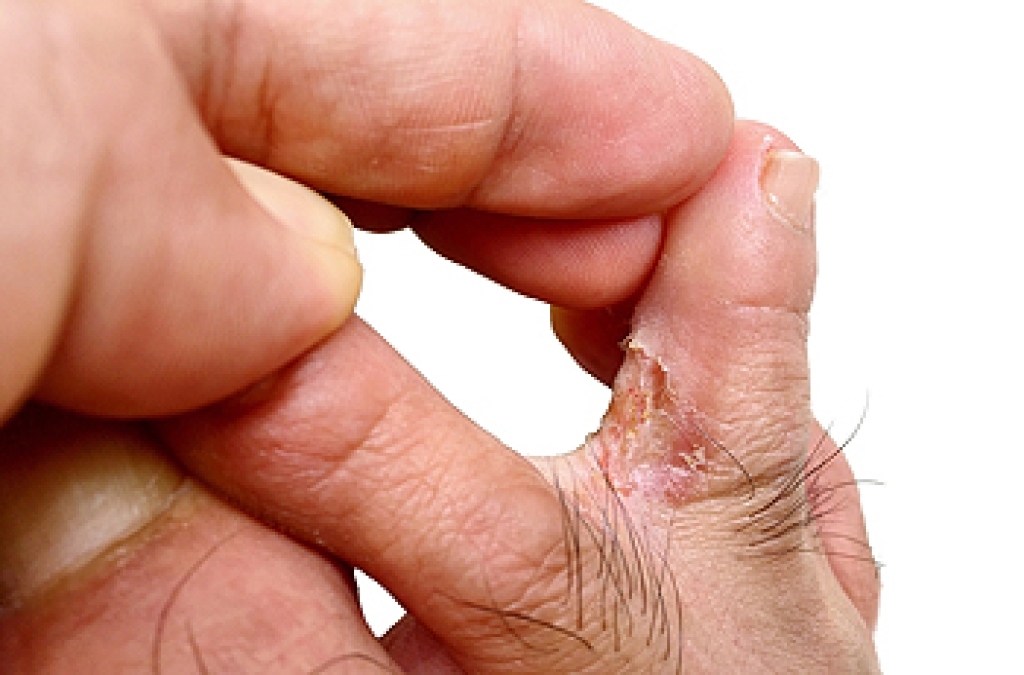
Athlete's foot, a common fungal infection, can typically be recognized by a variety of telltale symptoms. It often starts with intense itching and burning sensations between the toes or on the soles of the feet. As the infection progresses, the affected skin may become red, cracked, and blistered. In severe cases, it can cause the infected skin to peel or become excessively dry. Recognizing these symptoms is important for timely intervention. Treatment generally involves antifungal creams, powders, or sprays that target the fungus responsible for the infection. Maintaining good foot hygiene, keeping the feet dry, and avoiding walking barefoot in communal areas can aid in both treatment and prevention. Understanding and addressing athlete's foot promptly can bring relief and restore foot health. If you have developed a stubborn case athlete’s foot, it is suggested that you visit a podiatrist who can prescribe advanced medication and offer permanent treatment solutions.

Athlete’s Foot

Athlete’s foot is often an uncomfortable condition to experience. Thankfully, podiatrists specialize in treating athlete’s foot and offer the best treatment options. If you have any questions about athlete’s foot, consult with Emil Babayev, DPM from New York. Our doctor will assess your condition and provide you with quality treatment.

What Is Athlete’s Foot?

Tinea pedis, more commonly known as athlete’s foot, is a non-serious and common fungal infection of the foot. Athlete’s foot is contagious and can be contracted by touching someone who has it or infected surfaces. The most common places contaminated by it are public showers, locker rooms, and swimming pools. Once contracted, it grows on feet that are left inside moist, dark, and warm shoes and socks.

Prevention

The most effective ways to prevent athlete’s foot include:

  • Thoroughly washing and drying feet
  • Avoid going barefoot in locker rooms and public showers
  • Using shower shoes in public showers
  • Wearing socks that allow the feet to breathe
  • Changing socks and shoes frequently if you sweat a lot

Symptoms

Athlete’s foot initially occurs as a rash between the toes. However, if left undiagnosed, it can spread to the sides and bottom of the feet, toenails, and if touched by hand, the hands themselves. Symptoms include:

  • Redness
  • Burning
  • Itching
  • Scaly and peeling skin

Diagnosis and Treatment

Diagnosis is quick and easy. Skin samples will be taken and either viewed under a microscope or sent to a lab for testing. Sometimes, a podiatrist can diagnose it based on simply looking at it. Once confirmed, treatment options include oral and topical antifungal medications.

If you have any questions, please feel free to contact our offices located in Midwood and Kensington in Brooklyn, NY . We offer the newest diagnostic and treatment technologies for all your foot care needs.

Read more about Athlete’s Foot

Connect With Us

scroll-to-top