
What Is a Tongue in Running Shoes?

When shopping for running shoes, it can be quite easy for an individual to become overwhelmed by all of the different styles and potential options. It can therefore be helpful for an individual to be familiar with and well-versed in the different technical terms for elements of a running shoe. One important part of a running shoe is known as the tongue of the shoe. This part of the shoe serves several important functions. For example, the tongue essentially protects the upper part of the foot from the laces. The tongue typically runs to the toe area. There are two different types of tongues in running shoes. First, gusseted tongues connect to both sides of the foot. By contrast, a burrito tongue only connects to one side of the foot. If you are someone that is looking to purchase a good pair of running shoes, it is highly recommended that you contact a podiatrist who can help you meet all of your running shoe needs.

If you are a runner, wearing the right running shoe is essential. For more information, contact Emil Babayev, DPM from New York. Our doctor can provide the care you need to keep you pain-free and on your feet.

Choosing the Right Running Shoe for Your Foot Type

To increase performance and avoid the risk of injury, it is important to choose the right running shoe based on your foot type. The general design of running shoes revolves around pronation, which is how the ankle rolls from outside to inside when the foot strikes the ground.

  • Neutral runners are able to choose from a wide variety of shoes, including minimalist shoes or even going barefoot.
  • Runners who overpronate, or experience an over-abundance of ankle rolling, should choose shoes that provide extra motion control and stability.
  • Runners who underpronate, or supinate, have feet that have high arches and lack flexibility, preventing shock absorption. They require shoes with more flexibility and cushion.

If you have any questions, please feel free to contact our offices located in Midwood and Kensington in Brooklyn, NY . We offer the newest diagnostic and treatment technologies for all your foot care needs.

Read more about Choosing the Right Running Shoe for Your Foot Type

Types of Orthotics

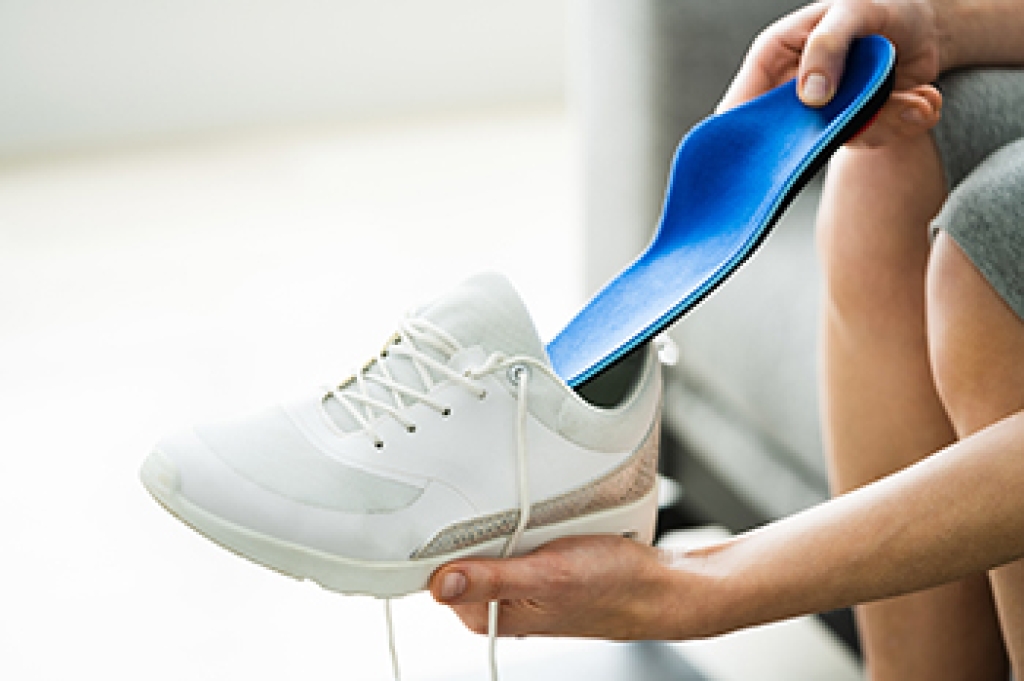
Many people wear orthotics as part of a treatment plan for specific foot conditions. They may be helpful in providing support to the ankle, and in possibly correcting foot deformities. They are defined as customized heel or foot inserts that are designed to fit the feet, based on the individual’s needs. Existing foot conditions that may benefit from wearing orthotics can include arthritis, bunions, diabetes, and flat feet. The materials orthotics are made from can range from rigid to flexible, and the choice is made depending on what the foot condition is. The effectiveness of wearing orthotics is based on how often they are worn, what kind of shoe they are going in, and how well they are made. If you are interested in learning more about wearing orthotics, it is suggested that you consult a podiatrist who can determine which type is best for you.

If you are having discomfort in your feet and would like to try orthotics, contact Emil Babayev, DPM from New York. Our doctor can provide the care you need to keep you pain-free and on your feet.

What Are Orthotics?

Orthotics are inserts you can place into your shoes to help with a variety of foot problems such as flat feet or foot pain. Orthotics provide relief and comfort for minor foot and heel pain but can’t correct serious biomechanical problems in your feet.

Over-the-Counter Inserts

Orthotics come in a wide variety of over-the-counter inserts that are used to treat foot pain, heel pain, and minor problems. For example, arch supports can be inserted into your shoes to help correct overarched or flat feet, while gel insoles are often used because they provide comfort and relief from foot and heel pain by alleviating pressure.

Prescription Orthotics

If over-the-counter inserts don’t work for you or if you have a more severe foot concern, it is possible to have your podiatrist prescribe custom orthotics. These high-quality inserts are designed to treat problems such as abnormal motion, plantar fasciitis, and severe forms of heel pain. They can even be used to help patients suffering from diabetes by treating foot ulcers and painful calluses and are usually molded to your feet individually, which allows them to provide full support and comfort.

If you are experiencing minor to severe foot or heel pain, it’s recommended to speak with your podiatrist about the possibilities of using orthotics. A podiatrist can determine which type of orthotic is right for you and allow you to take the first steps towards being pain-free.

If you have any questions, please feel free to contact our offices located in Midwood and Kensington in Brooklyn, NY . We offer the newest diagnostic and treatment technologies for all your foot care needs.
Read more about Foot Orthotics

Keep Your Feet Healthy So You Can Stay Active

Have your feet inspected by a professional before starting a new sport or physical activity. Taking charge of your foot health will keep you in good physical condition and can help you avoid a potential injury, such as a fracture or sprained ankle.

Prevent injuries and see a foot specialist.

Foods and Gout

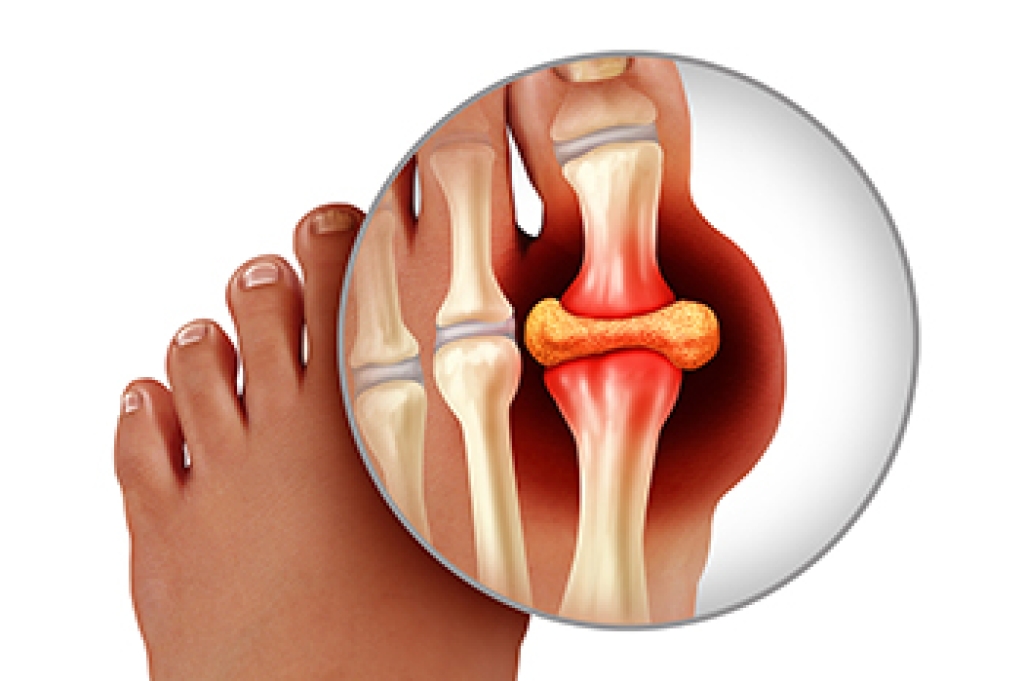
The body naturally processes uric acid through the kidneys. Excess uric acid may form crystals and can cause debilitating pain in the joints of the big toe. This is known as gout, and it is a type of arthritis. There are specific kinds of foods that have large amounts of purines, which convert to uric acid. These can include shellfish, red meat, alcohol, and drinks that are made with sugar. If you suffer from frequent gout attacks, it is beneficial to limit these types of foods and drinks. Common symptoms that are associated with gout can include pain, swelling, and redness surrounding the big toe joints. Additionally, it can be difficult to bear weight on the affected foot. There may be other factors that can cause gout to develop. These can consist of obesity, family history, or it may happen to women who are postmenopausal. If you have gout, it is suggested that you are under the care of a podiatrist who can help you to manage and treat this condition.

Gout is a painful condition that can be treated. If you are seeking treatment, contact Emil Babayev, DPM from New York. Our doctor will treat your foot and ankle needs.

What Is Gout?

Gout is a form of arthritis that is characterized by sudden, severe attacks of pain, redness, and tenderness in the joints. The condition usually affects the joint at the base of the big toe. A gout attack can occur at any random time, such as the middle of the night while you are asleep.

Symptoms

  • Intense Joint Pain - Usually around the large joint of your big toe, and it most severe within the first four to twelve hours
  • Lingering Discomfort - Joint discomfort may last from a few days to a few weeks
  • Inflammation and Redness -Affected joints may become swollen, tender, warm and red
  • Limited Range of Motion - May experience a decrease in joint mobility

Risk Factors

  • Genetics - If family members have gout, you’re more likely to have it
  • Medications - Diuretic medications can raise uric acid levels
  • Gender/Age - Gout is more common in men until the age of 60. It is believed that estrogen protects women until that point
  • Diet - Eating red meat and shellfish increases your risk
  • Alcohol - Having more than two alcoholic drinks per day increases your risk
  • Obesity - Obese people are at a higher risk for gout

Prior to visiting your podiatrist to receive treatment for gout, there are a few things you should do beforehand. If you have gout you should write down your symptoms--including when they started and how often you experience them, important medical information you may have, and any questions you may have. Writing down these three things will help your podiatrist in assessing your specific situation so that he or she may provide the best route of treatment for you.

If you have any questions, please feel free to contact our offices located in Midwood and Kensington in Brooklyn, NY . We offer the newest diagnostic and treatment technologies for all your foot care needs.
Read more about Gout

Juvenile Hallux Valgus

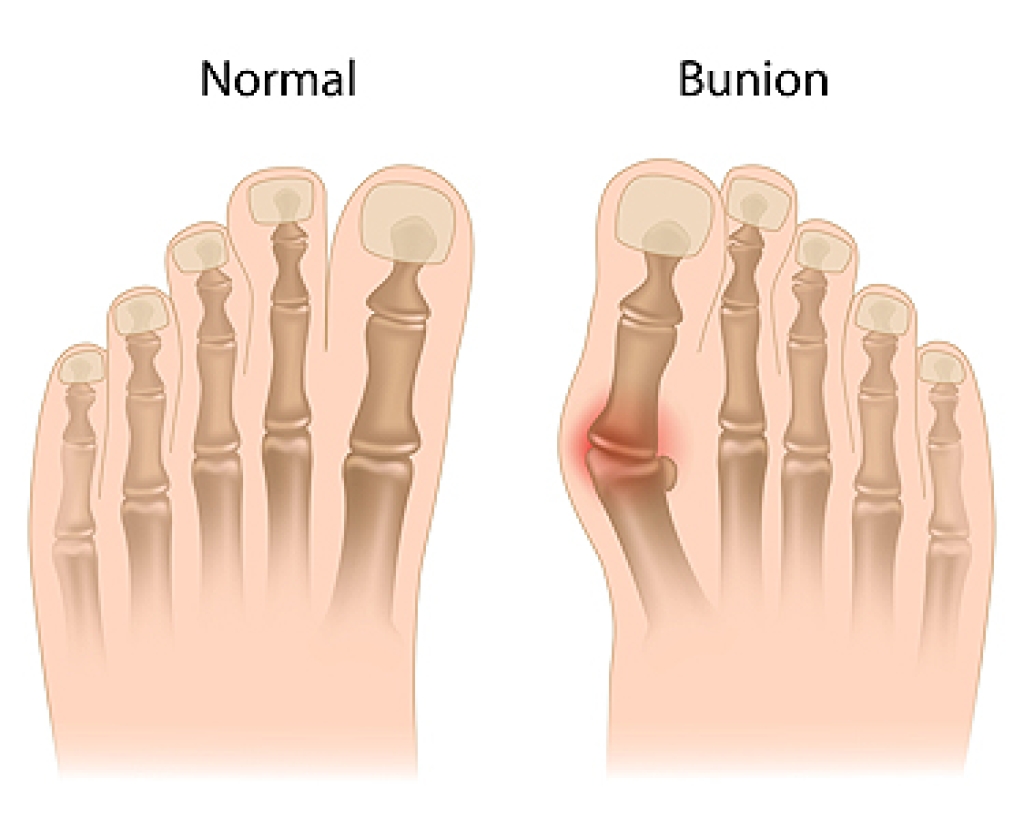
Bunions, or hallux valgus, is a surprisingly common ailment in the forefoot of children. A bunion is a bony growth that develops on the joint of the big toe and often causes this toe to lean towards the smaller toes. Having a bunion can cause pain and discomfort, particularly because the bunion rubs against shoes. Wearing wider shoes can provide mild relief, but sometimes surgery is the best option for treatment among those in this age group. This is typically successful in children because their growth plates are active, which helps with healing and readjustment of the toe joint. If your child has a bunion that is causing pain, it is suggested that you see a podiatrist for an examination and treatment options to consider.

If you are suffering from bunions, contact Emil Babayev, DPM of New York. Our doctor can provide the care you need to keep you pain-free and on your feet.

What Is a Bunion?

A bunion is formed of swollen tissue or an enlargement of boney growth, usually located at the base joint of the toe that connects to the foot. The swelling occurs due to the bones in the big toe shifting inward, which impacts the other toes of the foot. This causes the area around the base of the big toe to become inflamed and painful.

Why Do Bunions Form?

Genetics – Susceptibility to bunions are often hereditary

Stress on the feet – Poorly fitted and uncomfortable footwear that places stress on feet, such as heels, can worsen existing bunions

How Are Bunions Diagnosed?

Doctors often perform two tests – blood tests and x-rays – when trying to diagnose bunions, especially in the early stages of development. Blood tests help determine if the foot pain is being caused by something else, such as arthritis, while x-rays provide a clear picture of your bone structure to your doctor.

How Are Bunions Treated?

  • Refrain from wearing heels or similar shoes that cause discomfort
  • Select wider shoes that can provide more comfort and reduce pain
  • Anti-inflammatory and pain management drugs
  • Orthotics or foot inserts
  • Surgery

If you have any questions, please feel free to contact our offices located in Midwood and Kensington in Brooklyn, NY . We offer the newest diagnostic and treatment technologies for all your foot care needs.

Read more about Bunions

Connect With Us

scroll-to-top