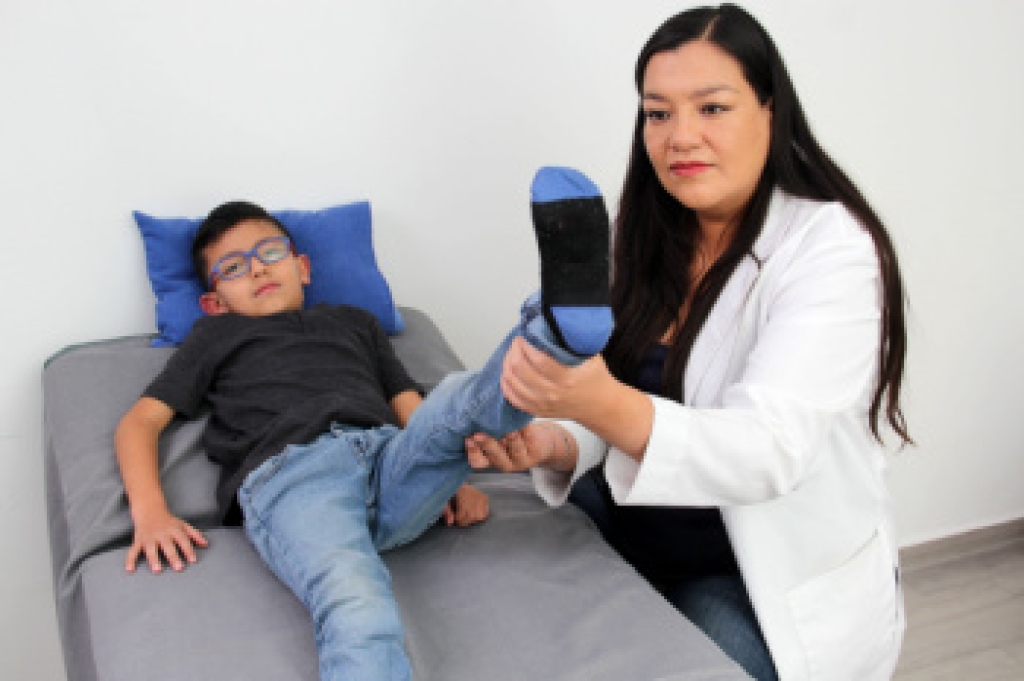
What Causes Foot Corns?

Corns are thick, hardened areas of skin that develop on the feet due to repeated pressure or friction. They often appear as small, raised bumps that may feel hard or tender while walking or wearing shoes. Corns commonly form on the toes or areas where bones press against footwear. This happens when the skin tries to protect itself from ongoing irritation, often caused by wearing tight shoes, high heels, or abnormal walking patterns. Symptoms include pain, sensitivity, and a rough or dry texture in the affected area. Risk factors include wearing poorly fitted shoes, foot deformities, and long periods of standing or walking. Over time, corns may become more painful and interfere with daily comfort. A podiatrist can safely remove corns, assess foot structure, and help prevent recurrence through proper care. Corns can be painful and may cause difficulty in completing daily activities. If you have a corn, it is suggested that you consult a podiatrist who can offer effective relief and prevention tips.

If you have any concerns regarding your feet and ankles, contact Emil Babayev, DPM of New York. Our doctor will treat your foot and ankle needs.

Corns: What Are They? and How Do You Get Rid of Them?
Corns can be described as areas of the skin that have thickened to the point of becoming painful or irritating. They are often layers and layers of the skin that have become dry and rough, and are normally smaller than calluses.

Ways to Prevent Corns
There are many ways to get rid of painful corns such as wearing:

  • Well-fitting socks
  • Comfortable shoes that are not tight around your foot
  • Shoes that offer support

Treating Corns
Treatment of corns involves removing the dead skin that has built up in the specific area of the foot. Consult with Our doctor to determine the best treatment option for your case of corns.

If you have any questions, please feel free to contact our offices located in Midwood and Kensington in Brooklyn, NY . We offer the newest diagnostic and treatment technologies for all your foot care needs.

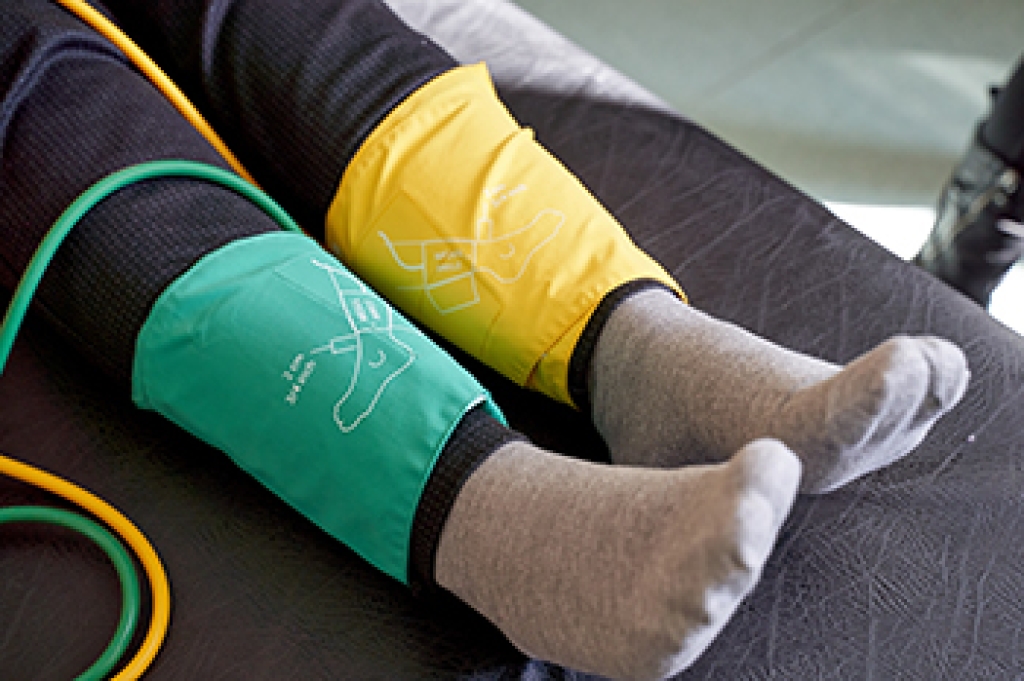
Read more about Corns: What Are They, and How Do You Get Rid of Them

Foot Problems From Poor Work Footwear

Wearing the wrong safety footwear at work can lead to several painful foot conditions over time. Tight or ill fitting shoes may cause bunions, which appear as a bony bump at the base of the big toe due to joint misalignment. Constant friction can also lead to corns, which are thickened areas of skin that develop from pressure. Blisters may form when the skin rubs repeatedly against the shoe, creating fluid filled pockets that can become irritated. These issues often develop gradually and may worsen with long hours on hard surfaces or in restrictive footwear. Symptoms can include soreness, swelling, redness, and difficulty walking comfortably. A podiatrist can assess posture, alignment, and how weight is distributed through the feet, helping reduce strain linked to poor footwear. If you have foot pain from wearing the wrong work shoes, it is suggested that you consult a podiatrist who can offer relief tips and guide you on the correct shoes to wear.

While working on the feet, it is important to take the proper care of them. For more information about working on your feet, contact Emil Babayev, DPM from New York. Our doctor will treat your foot and ankle needs.

Working on Your Feet

Standing on your feet for long periods of time can cause stress and pain in your feet. Your whole body may experience change in terms of posture, back pain, bunions, callouses and or plantar warts. There are ways to avoid these conditions with proper foot care, smart choices and correct posture.

Positive Changes

Negative heeled shoe – Choosing this shoe type places the heel slightly lower than the ball of the foot. These are great for overall foot health. Find shoes that fit you correctly.

Go barefoot – Our feet were not designed to be enclosed for all hours of the day. Try to periodically expose your feet to air.

Eliminate Pain

Foot Exercises – Performing simple exercises, incorporating yoga and doing stretches are beneficial. This will allow increased blood flow to the area and muscles of the foot.

Achilles tendon – Stretching the foot out flat on the floor will relax the calf muscles and tendon. These exercises can be performed almost anywhere. Make sure you add these exercises to your daily regimen. 

With a little bit of this information and knowing more about foot health, you will notice changes. Foot stretches and proper footwear will help with pain and prevent further issues.

If you have any questions please contact our offices located in Midwood and Kensington in Brooklyn, NY . We offer the newest diagnostic and treatment technologies for all your foot and ankle needs.

Read more about How to Handle a Long Work Day on Your Feet

Keep Your Feet Healthy So You Can Stay Active

Have your feet inspected by a professional before starting a new sport or physical activity. Taking charge of your foot health will keep you in good physical condition and can help you avoid a potential injury, such as a fracture or sprained ankle.

Prevent injuries and see a foot specialist.

5th Metatarsal Fractures Explained

A fracture of the fifth metatarsal is a break in the long bone on the outer side of the foot. This injury is common in athletes and dancers because of repeated stress, quick direction changes, and high impact activity. It may appear as pain along the outer foot, swelling, bruising, and difficulty walking or placing weight on the foot. Some fractures happen suddenly from a twist or fall, while others develop gradually from overuse. Because this area has a limited blood supply, proper evaluation is important for healing. A podiatrist can identify the type of fracture with imaging and determine the best course of treatment. Care may include immobilization or surgical support to ensure proper alignment and recovery. If you have a foot fracture, it is suggested that you consult a podiatrist who can offer the treatment that is best for you.

A broken foot requires immediate medical attention and treatment. If you need your feet checked, contact Emil Babayev, DPM from New York. Our doctor can provide the care you need to keep you pain-free and on your feet.

Broken Foot Causes, Symptoms, and Treatment

A broken foot is caused by one of the bones in the foot typically breaking when bended, crushed, or stretched beyond its natural capabilities. Usually the location of the fracture indicates how the break occurred, whether it was through an object, fall, or any other type of injury. 

Common Symptoms of Broken Feet:

  • Bruising
  • Pain
  • Redness
  • Swelling
  • Blue in color
  • Numbness
  • Cold
  • Misshapen
  • Cuts
  • Deformities

Those that suspect they have a broken foot shoot seek urgent medical attention where a medical professional could diagnose the severity.

Treatment for broken bones varies depending on the cause, severity and location. Some will require the use of splints, casts or crutches while others could even involve surgery to repair the broken bones. Personal care includes the use of ice and keeping the foot stabilized and elevated.

If you have any questions, please feel free to contact our offices located in Midwood and Kensington in Brooklyn, NY . We offer the newest diagnostic and treatment technologies for all your foot care needs.
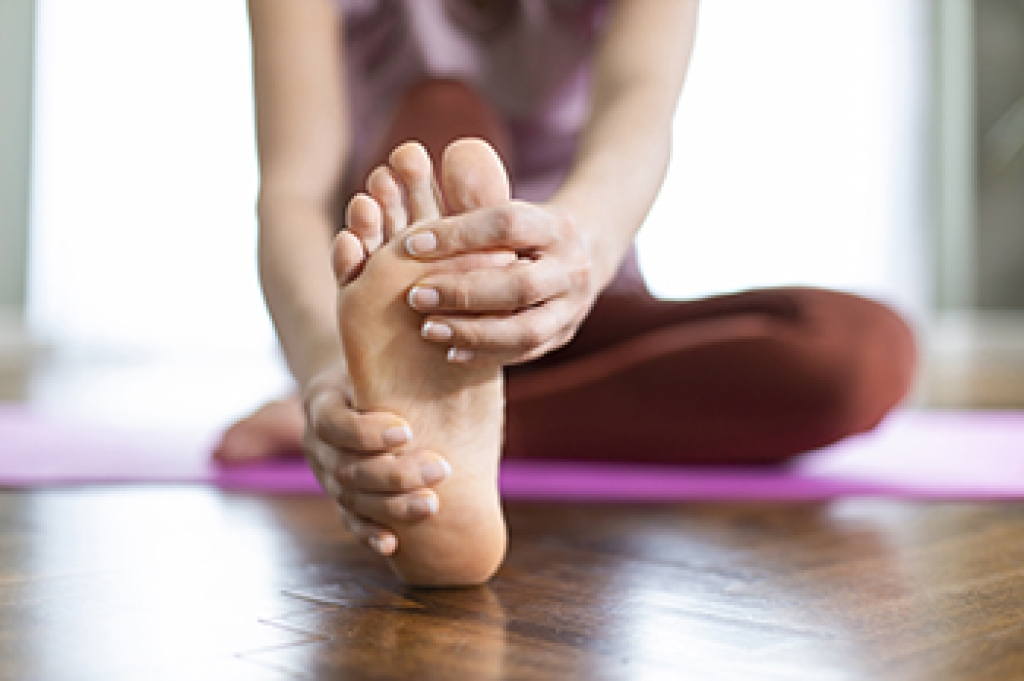
Read more about Causes, Symptoms, and Treatment for a Broken Foot

Protecting Foot Health in Diabetics

Diabetic foot care is essential for maintaining comfort, mobility, and overall well-being. Foot ulcers are a common complication of diabetes and can greatly affect quality of life if left untreated. These wounds may develop due to reduced sensation from neuropathy, which can make it difficult to notice injuries or pressure points. Risk factors include poor circulation, high blood sugar levels, improper footwear, and lack of daily foot care. Daily inspection, keeping the skin clean and moisturized, and wearing supportive shoes can help decrease pain and prevent complications. A podiatrist can provide regular evaluations, treat concerns early, and offer personalized care. If you have diabetes, it is suggested that you are under the care of a podiatrist who can help you to manage this serious condition.

Diabetic foot care is important in preventing foot ailments such as ulcers. If you are suffering from diabetes or have any other concerns about your feet, contact Emil Babayev, DPM from New York. Our doctor can provide the care you need to keep you pain-free and on your feet.

Diabetic Foot Care

Diabetes affects millions of people every year. The condition can damage blood vessels in many parts of the body, especially the feet. Because of this, taking care of your feet is essential if you have diabetes, and having a podiatrist help monitor your foot health is highly recommended.

The Importance of Caring for Your Feet

  • Routinely inspect your feet for bruises or sores.
  • Wear socks that fit your feet comfortably.
  • Wear comfortable shoes that provide adequate support.

Patients with diabetes should have their doctor monitor their blood levels, as blood sugar levels play such a huge role in diabetic care. Monitoring these levels on a regular basis is highly advised.

It is always best to inform your healthcare professional of any concerns you may have regarding your feet, especially for diabetic patients. Early treatment and routine foot examinations are keys to maintaining proper health, especially because severe complications can arise if proper treatment is not applied.

If you have any questions, please feel free to contact our offices located in Midwood and Kensington in Brooklyn, NY . We offer the newest diagnostic and treatment technologies for all your foot care needs.
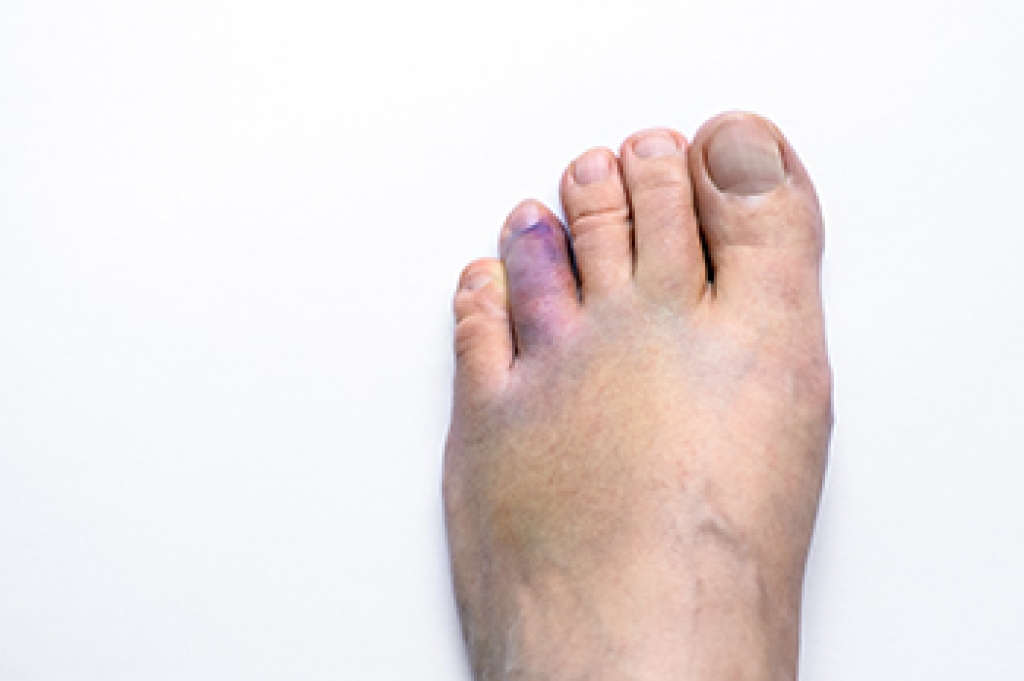
Read more about Diabetic Foot Care

Connect With Us

Advanced Podiatric Procedures & Services in the Kings County, NY: Brooklyn (Bay Ridge, Sunset Park, Bushwick, Park Slope, East New York, Williamsburg, Brighton Beach, Brownsville, Greenpoint, Brooklyn Heights), Richmond County, NY: St. George, Midland Beach, and Queens County, NY: Elmhurst, Maspeth, Forest Hills areas